
How to Choose Business Promotional Gifts That Actually Get Results
Discover how Australian businesses can choose business promotional gifts that boost brand awareness, build loyalty, and deliver real ROI.

Written by
Ethan Kowalski
Corporate Gifts
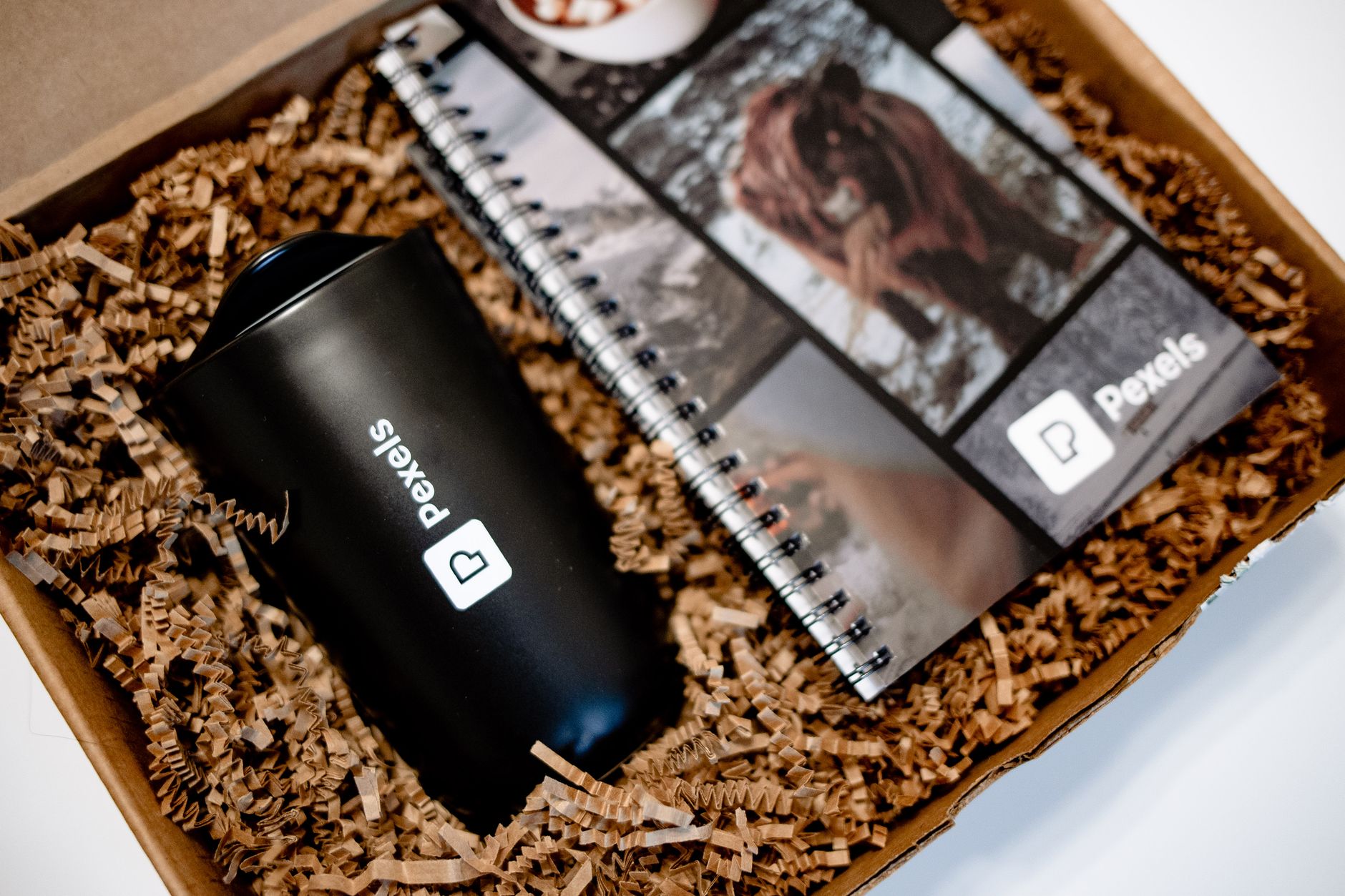
Choosing the right business promotional gifts can feel overwhelming — especially when you’re trying to balance budget, brand alignment, and practicality all at once. Whether you’re a Sydney-based financial services firm preparing for a client appreciation event, a Melbourne startup heading into conference season, or a Brisbane retailer looking to reward loyal customers, the decisions you make around branded merchandise can have a lasting impact on how your business is perceived. Done well, promotional gifts don’t just sit in a drawer — they become daily touchpoints that keep your brand front of mind, long after the initial interaction.
This guide walks you through everything you need to know to make smart, strategic choices when sourcing business promotional gifts in Australia.
Why Business Promotional Gifts Still Deliver Exceptional Value
In an era dominated by digital marketing, it’s tempting to question whether physical branded merchandise still holds its own. The answer, consistently, is yes. Research and promotional products market trends in Australia confirm that tangible, useful branded items outperform many digital channels when it comes to brand recall and emotional connection.
The reason is simple: a well-chosen gift creates a positive, personal experience. When a recipient uses a quality branded notebook, sips from a custom keep cup, or reaches for a branded pen on their desk every morning, they’re being reminded of your business in a context that feels organic rather than forced. That’s the kind of brand exposure that money genuinely can’t buy through a banner ad.
The ROI Case for Branded Merchandise
Unlike paid advertising, which stops the moment your budget runs out, a high-quality promotional product continues working for months or even years. A branded tote bag used at the weekly markets, a drinkware item carried to the gym, or a wireless charger sitting on someone’s desk — these items accumulate thousands of impressions over their lifespan. For a relatively modest outlay, the cost-per-impression is remarkably low.
It’s also worth noting that recipients genuinely appreciate tangible gifts. There’s a psychological warmth that comes with receiving something physical, and that goodwill transfers directly to the brand that gave it.
Defining Your Goal Before You Select Business Promotional Gifts
Before you start browsing catalogues or requesting quotes, the most important step is to get crystal clear on what you’re trying to achieve. Your goal will determine everything — from the product category you choose to the decoration method, quantity, and budget.
Here are the most common objectives businesses have when ordering promotional gifts:
Brand awareness: You want your logo and name seen by as many people as possible. In this case, everyday items like marketing items with logo — think pens, tote bags, lanyards, and notebooks — tend to work best because they’re used in public settings and get shared.
Client retention and appreciation: You’re nurturing existing relationships. Here, quality matters more than quantity. Premium drinkware, leather-look notebooks, or tech accessories like a Qi wireless charger send a message that you genuinely value the relationship.
Event engagement: For trade shows, conferences, or expos, you want items that draw people to your stand and give them something memorable to take home. Check out our advice on promotional products for events for category-specific recommendations.
Staff recognition and team culture: Internal gifts for milestones, performance, or onboarding serve a different purpose — they’re about belonging and recognition. Personalised certificates for years-of-service milestones or custom pins and badges for sales achievement awards can complement physical gifts beautifully in these contexts.
Matching the Gift to the Recipient
One of the most common mistakes businesses make is choosing a gift based on what they personally like rather than what will genuinely resonate with their target audience. A tech-savvy audience in their 20s and 30s will appreciate different items than a cohort of professionals in their 50s. Consider lifestyle, daily routines, and the industries your recipients work in. A promotional gift that integrates naturally into someone’s day is worth far more than a novelty item that sits on a shelf.
Choosing the Right Product Categories
With thousands of products available across the Australian promotional merchandise market, narrowing down your options can feel daunting. Here are some of the most effective categories for business promotional gifts, with notes on what makes each one work.
Drinkware and Keep Cups
Drinkware remains one of the most universally effective promotional gift categories. Australians are notoriously enthusiastic about their coffee, which makes branded keep cups and insulated bottles a near-guaranteed daily-use item. These products are particularly popular in urban markets like Melbourne, Sydney, and Adelaide, where café culture is deeply embedded.
Premium Apparel
Custom-branded apparel — from custom printed t-shirts to embroidered polos and hoodies — is ideal for creating a sense of unity at events or gifting to valued clients. Decoration quality matters enormously here. Techniques like debossing on custom t-shirts or premium embroidery elevate the perceived value of the item and signal quality to the recipient.
Tech Accessories
Tech gifts punch above their weight in terms of perceived value. Power banks, wireless chargers, USB hubs, and phone accessories are practical, regularly used, and universally appreciated across industries. They’re particularly well-suited to corporate clients and conference giveaways in cities like Canberra, Perth, and the Gold Coast.
Bags and Totes
A high-quality branded bag is one of the most visible promotional items you can produce. Whether it’s a sleek backpack for a corporate client or a sturdy tote for a retail promotion, bags travel with their owners and create repeated brand impressions in public. They’re also an excellent choice for conferences and expos.
Eco-Friendly Options
Sustainability is no longer a niche preference — it’s a mainstream expectation, especially among Australian consumers and businesses. Offering eco-friendly promotional items signals that your business is aligned with modern values. Bamboo drinkware, recycled tote bags, seed paper cards, and reusable straws are popular choices that reflect well on any brand.
Stationery and Office Essentials
Branded notebooks, planners, and quality stationery items remain evergreen corporate gift staples. They’re used daily, sit on desks in plain sight, and offer excellent branding real estate. Pair a quality notebook with a premium pen for a gift set that genuinely impresses.
Understanding MOQs, Budgets, and Turnaround Times
Getting your logistics right is just as important as choosing the right product. Here’s a quick overview of what to expect when ordering business promotional gifts in Australia.
Minimum order quantities (MOQs): Most promotional products come with an MOQ, which typically ranges from 25 to 250 units depending on the product. Simpler items like pens often have lower MOQs, while complex products with multiple components may require larger runs to be cost-effective.
Budget tiers: Broadly speaking, you can think of promotional gifts across three tiers — economy (under $5 per unit), mid-range ($5–$20), and premium ($20+). Your budget per head should reflect the value of the relationship. A client worth $50,000 annually warrants a different gift than a general trade show visitor.
Turnaround times: Standard production timelines in Australia typically range from 10 to 15 business days after artwork approval. If you need products urgently, some suppliers can accommodate rush orders — though it’s worth understanding same-day promotional product printing options and when they’re realistic.
Setup fees: Most decoration methods involve a one-time setup fee per design. This covers screen setup for print, embroidery digitisation, or laser engraving programming. These fees are a fixed cost, which means the unit cost becomes more economical as your order quantity increases.
Seasonal and Occasion-Based Gifting
Timing your promotional gifts around key dates and occasions can significantly amplify their impact. End-of-year and Christmas gift planning is the most popular season for business gifting in Australia, but there are year-round opportunities — client birthdays, business anniversaries, product launches, financial year milestones, and of course, major industry events.
Planning ahead is critical. If you’re sourcing gifts for December, placing your order by late October gives you comfortable production time and avoids the rush. The same principle applies to any major event — build in at least three to four weeks of lead time to allow for proofing, production, and delivery.
Working With a Reliable Supplier
Finding the right promotional products supplier is one of the most important decisions in this process. A great supplier won’t just print your logo on a product — they’ll advise you on what works, flag potential artwork issues before production begins, offer samples for quality checking, and ensure your order arrives on time and to specification.
Look for suppliers with clear communication, a proven track record, a diverse product range, and the ability to offer samples before you commit to a full order. Asking for references or reviewing case studies from businesses in similar industries is always a smart move.
Conclusion: Key Takeaways for Choosing Business Promotional Gifts
Investing in business promotional gifts is one of the most tangible ways to build brand recognition, strengthen relationships, and create lasting impressions with clients, staff, and prospects. Here’s a summary of what to keep in mind:
- Start with your goal — whether it’s brand awareness, client retention, event engagement, or staff recognition, your objective should drive every decision you make about product selection and budget.
- Choose products your recipients will actually use — practicality and daily usability are the biggest predictors of whether a gift creates ongoing brand impressions.
- Don’t underestimate quality — a well-made gift elevates your brand; a cheap, poorly finished item can do the opposite.
- Plan well ahead of deadlines — give yourself at least three to four weeks for standard orders and longer for complex or large-quantity projects.
- Lean into sustainability where possible — eco-friendly options are increasingly expected and reflect positively on your brand values.
- Partner with an experienced supplier — the right partner saves you time, money, and stress, and helps you avoid costly mistakes before production begins.
With the right approach, business promotional gifts become more than just freebies — they become a genuine extension of your brand strategy that delivers measurable value long after they’re handed out.