
Custom Recycled Garment Bags in Australia: The Complete Ordering Guide
Discover how to source custom recycled garment bags in Australia — decoration options, MOQs, budgeting tips, and best uses for businesses and events.

Written by
Oscar Tanaka
Bags & Totes
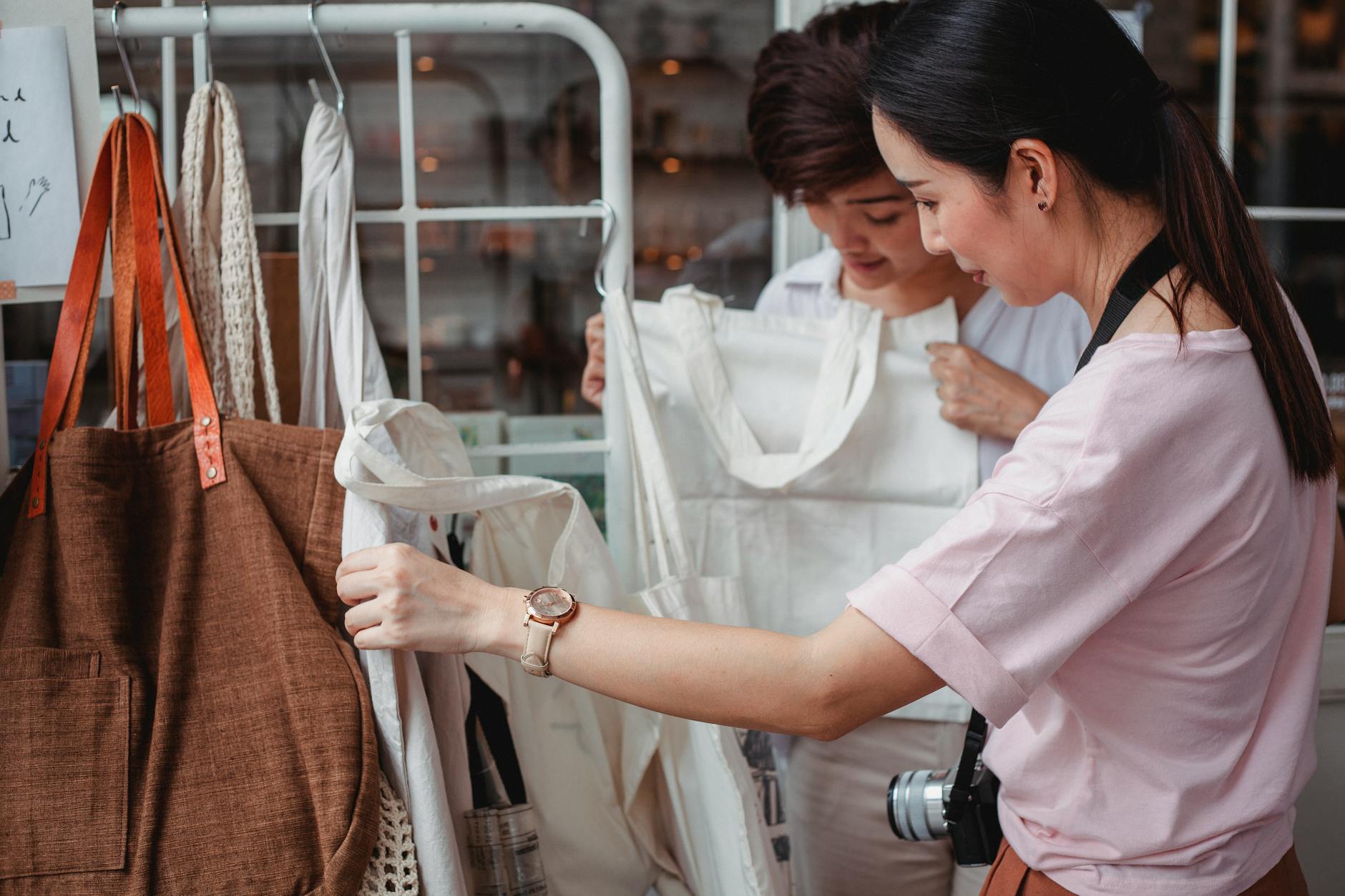
Sustainability is no longer a nice-to-have in branded merchandise — it’s an expectation. As Australian businesses, corporate teams, and event organisers look for smarter ways to align their branded products with environmental values, custom recycled garment bags have emerged as one of the most practical and visible options available. Whether you’re packaging retail products, gifting clients, or outfitting delegates at a conference, a well-branded recycled garment bag does double duty: it protects clothing items in transit and puts your logo in front of the right people at exactly the right moment.
This guide covers everything you need to know about sourcing custom recycled garment bags in Australia — from choosing the right materials and decoration methods to understanding MOQs, turnaround times, and how to maximise your investment.
What Are Custom Recycled Garment Bags?
Garment bags are protective covers designed to keep clothing items — suits, dresses, uniforms, formalwear — safe during storage or travel. Traditional garment bags have typically been made from non-woven polypropylene, polyester, or plastic-based fabrics. Recycled versions, on the other hand, are manufactured using post-consumer materials such as recycled PET (rPET) derived from plastic bottles, recycled cotton blends, or certified recycled polyester.
What makes them particularly compelling for branding purposes is the combination of utility and visibility. A garment bag travels. It hangs on doors in hotel rooms, gets carried through airports, and sits in wardrobes long after an event is over — all while displaying your logo. For organisations that want their brand to make a lasting impression without contributing to landfill, custom recycled garment bags tick every box.
Common Materials Used in Recycled Garment Bags
Understanding materials helps you make a more informed purchasing decision. Here are the most common options available through Australian suppliers:
- rPET (Recycled PET Polyester): Made from recycled plastic bottles, rPET is the most widely available recycled fabric for garment bags. It’s durable, water-resistant, and takes printed branding exceptionally well.
- Recycled Non-Woven Polypropylene: A step up from standard non-woven bags, this option uses recycled content and is often more affordable while still offering good printability.
- Recycled Cotton Canvas: A premium feel that works well for luxury retail or corporate gifting applications. It’s breathable and can be decorated with embroidery or screen printing.
- RPET Ripstop: A sturdier, more structured option suited to regular use, popular with travel-related brands or airlines.
When sourcing from a reputable promotional products supplier, always ask for material certifications such as GRS (Global Recycled Standard) to verify the recycled content claims.
Why Australian Businesses Are Choosing Recycled Garment Bags
The shift toward sustainable promotional products isn’t just driven by consumer demand — it reflects a broader change in how Australian organisations approach their brand identity. According to recent promotional products market trends in Australia, eco-conscious merchandise is consistently outperforming traditional product categories in terms of perceived brand value and recipient retention.
For businesses, using recycled garment bags communicates something important: that your organisation takes its environmental responsibilities seriously. This is particularly powerful in sectors like fashion retail, hospitality, corporate events, and professional services, where brand perception is closely tied to values alignment.
Beyond the environmental story, there’s a strong ROI case to be made. The data on promotional products ROI in Australia consistently shows that practical, high-quality items — items people actually use — generate far more brand impressions per dollar than disposable or gimmicky alternatives. A garment bag that travels interstate with a client is generating impressions every single time it’s used.
Who Uses Custom Recycled Garment Bags?
The applications are broader than many organisations initially realise:
- Fashion and retail brands packaging premium garments for delivery or in-store purchase
- Hotels and resorts across Sydney, Melbourne, and the Gold Coast providing branded garment storage for guests
- Corporate event organisers in Brisbane or Adelaide gifting branded merchandise to conference speakers or VIP delegates
- Wedding and formalwear businesses in Perth and Hobart presenting suits or gowns in sustainable packaging
- Sporting clubs and associations transporting team uniforms to competitions
- Dry cleaning and alterations services presenting finished garments back to customers in branded, reusable bags
If your business handles or presents clothing in any capacity, there’s a strong case for making the switch to branded recycled garment bags.
Decoration Methods for Custom Recycled Garment Bags
Not all decoration methods work equally well on all garment bag materials. Choosing the right method ensures your branding looks sharp, lasts longer, and reflects the quality of the product inside.
Screen Printing
Screen printing is the most cost-effective decoration method for medium to large orders. It produces vibrant, durable results on non-woven and rPET materials and is well-suited to bold logo designs with solid colours. For more detail on how screen printing works and when to use it, our guide to screen printing for promotional products is a great starting point.
Heat Transfer and Sublimation
For designs that incorporate gradients, photographs, or full-colour artwork, heat transfer and sublimation printing deliver outstanding results on polyester-based recycled fabrics. Sublimation in particular bonds the ink directly into the fabric rather than sitting on top, which means the print won’t crack or peel over time.
Embroidery
For a premium, tactile finish — particularly on recycled cotton or canvas garment bags — embroidery adds a sense of craft and quality that printed methods can’t match. It works especially well for organisations in hospitality, formalwear, and high-end retail. The texture and durability make it a popular choice when longevity matters.
Debossing and Woven Labels
For recycled fabric bags with a luxury feel, woven labels or debossed patches offer a subtle, sophisticated branding option. These are particularly popular with boutique retailers and corporate gifting applications.
Ordering Custom Recycled Garment Bags: What to Expect
Minimum Order Quantities
MOQs for custom recycled garment bags in Australia typically start at 50 units for standard sizes with single-colour print decoration. More complex decoration methods like embroidery or full-colour sublimation may require higher MOQs — often 100 to 250 units — to make setup costs economically viable.
For smaller runs, some suppliers offer digital printing with lower setup requirements, though the per-unit cost will be higher. If you’re ordering for a one-off event, it’s worth exploring whether you can consolidate your order with other promotional products for your event to reach a better price tier.
Turnaround Times
Standard production lead times for custom recycled garment bags typically run between 10 and 20 business days from artwork approval, depending on the complexity of the decoration and the supplier’s current capacity. If you’re working to a hard deadline — say, a gala dinner in Darwin or a trade expo in Melbourne — always factor in delivery time on top of production.
For urgent requirements in certain cities, it’s worth checking whether expedited or same-day promotional product printing is available for simpler decoration methods like single-colour screen printing.
Artwork Requirements
Most suppliers will require vector artwork files (typically .AI or .EPS format) for screen printing and embroidery. For digital or sublimation printing, high-resolution raster files may be acceptable. Always confirm PMS colour matching requirements early in the process — especially if your brand colour is critical to recognition.
Sizing Options
Garment bags come in a range of standard sizes, commonly:
- Short (suit jacket/blazer): around 100–120 cm length
- Full-length (dress/suit): around 140–160 cm length
- Extra-long (evening gown, wedding dress): 170–200 cm length
Custom sizing is often available for larger orders and can be worth exploring if your standard use case doesn’t fit neatly into off-the-shelf dimensions.
Building a Sustainable Branded Merchandise Strategy
Custom recycled garment bags work best when they’re part of a broader sustainable merchandise approach rather than a one-off purchase. Pairing them with other eco-friendly promotional items — such as recycled notebooks, bamboo pens, or reusable drinkware — creates a cohesive brand experience that reinforces your environmental values at every touchpoint.
If you’re building out a sustainable event merchandise kit, consider how garment bags complement other sustainable choices. For example, a corporate conference package might include an rPET garment bag alongside reusable tote bags, bamboo stationery, and branded keep cups — a combination that leaves a far more positive impression than single-use alternatives.
This kind of cohesive approach is particularly effective for summer events and winter corporate gifting, where clothing and travel accessories are already front of mind for recipients.
It’s also worth noting that sustainable branding choices often work well alongside recognition and reward programmes. If your organisation is running a milestone awards programme alongside a major event, pairing personalised certificates for years of service milestones with a well-branded recycled garment bag creates a memorable and values-aligned recognition moment.
Budgeting for Custom Recycled Garment Bags in Australia
Pricing varies depending on material, size, decoration complexity, and order quantity. As a general guide:
- Entry-level recycled non-woven garment bags (single-colour screen print, 100+ units): approximately $4–$8 per unit
- Mid-range rPET garment bags (full-colour print, 100+ units): approximately $8–$15 per unit
- Premium recycled canvas or cotton garment bags (embroidered, 50+ units): approximately $15–$30+ per unit
Setup fees typically range from $50 to $150 per colour or position, though these are often waived or discounted on larger orders. Always request an itemised quote so you can compare value accurately across different suppliers.
Key Takeaways
Sourcing custom recycled garment bags in Australia is a smart investment for businesses and organisations that want their branded merchandise to reflect genuine sustainability values while delivering real practical utility. Here’s a summary of the most important points:
- Material certification matters — look for rPET or GRS-certified fabrics to back up your sustainability claims with third-party verification
- Match your decoration method to the material — screen printing suits non-woven and rPET; embroidery shines on canvas; sublimation works beautifully on polyester-based fabrics
- Plan your lead times carefully — standard production takes 10–20 business days, so build in buffer time, especially for event deadlines
- MOQs start from around 50 units — but larger orders unlock better pricing tiers and reduce per-unit costs significantly
- Think holistically about sustainability — recycled garment bags are most powerful when part of a broader eco-conscious merchandise strategy that extends across your entire branded product range
With thoughtful planning and the right supplier partnership, custom recycled garment bags in Australia can become a signature part of how your brand presents itself — sustainably, memorably, and with genuine impact.