
Flags for Flagpoles: A Complete Guide for Australian Businesses and Events
Everything Australian businesses and event organisers need to know about ordering custom flags for flagpoles — decoration, sizing, and tips.

Written by
Sophie Nakamura
Event Merchandise
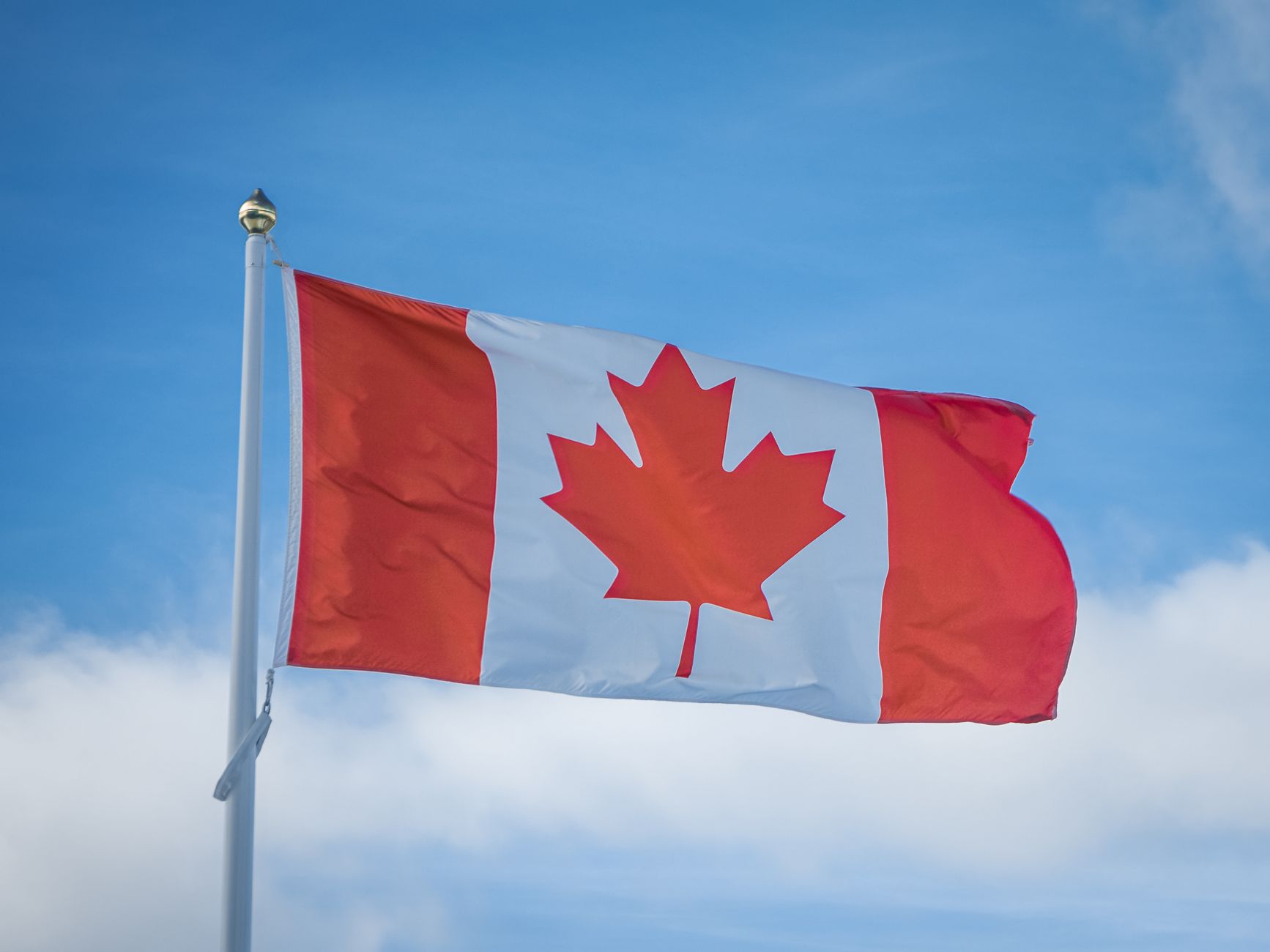
Flying a flag above your premises, event space, or trade show stand is one of the most powerful visual statements a brand can make. Whether it’s a national flag proudly displayed at a corporate headquarters in Sydney, a custom-printed business flag welcoming clients to a Brisbane expo, or branded flags marking the entrance to a Melbourne conference venue, flags for flagpoles deliver visibility that few other promotional products can match. They’re bold, they’re durable, and when done well, they communicate professionalism and permanence. But ordering the right flagpole flag for your organisation involves more than just uploading a logo — there’s a range of decisions to make around materials, printing methods, sizing, and installation that can make or break the final result.
Why Flags for Flagpoles Are a Smart Investment for Australian Organisations
There’s a reason flags have been used as symbols of identity for centuries. For modern Australian businesses and organisations, flagpole flags offer something genuinely difficult to replicate: constant, passive brand exposure. Unlike a brochure that gets filed away or a promotional pen that disappears into a drawer, a flag flying above your building or event space is visible to everyone who passes by — 24 hours a day, seven days a week.
For corporate campuses in Canberra or Perth, a row of branded flags outside the entrance creates an immediate impression of scale and credibility. For event organisers running trade shows and expos on the Gold Coast or in Adelaide, custom flags help visitors locate their stand from a distance and reinforce brand recognition throughout the event. For hospitality businesses, sporting venues, and government departments alike, flagpole flags serve as both wayfinding tools and marketing assets.
From a budget perspective, flagpole flags offer excellent long-term value. A quality flag made from the right materials can last several years with proper care, meaning the cost-per-impression is remarkably low compared to other branded merchandise categories. If you’re working through the planning stages of your branded merchandise strategy, our seasonal planning guide for promotional product purchases is a great starting point for understanding where flags fit within your broader annual budget.
Understanding the Different Types of Flags for Flagpoles
Not all flags are built the same way, and the terminology can get confusing quickly. Here’s a practical breakdown of the most common flag types used in Australian commercial and corporate settings.
Traditional Rectangular Flags
The classic horizontal or vertical rectangular flag is the most recognisable format. These are typically used on external flagpoles — the kind you’d see outside a government building, school, or corporate office. They’re usually measured in metres (e.g., 900mm x 1800mm or 1200mm x 1800mm) and are designed to fly horizontally in the wind. A header with grommets or a rope sleeve on the hoist side is standard.
Vertical Banner Flags (Feather Flags and Teardrop Flags)
Feather flags and teardrop flags have become enormously popular for events, retail, and real estate signage. These vertical flags sit on a ground spike or cross base rather than a traditional flagpole. They’re ideal for trade shows and expos because they’re lightweight, portable, and highly eye-catching. For any organisation looking to create a strong visual presence at events without investing in permanent infrastructure, these are often the first recommendation.
Bow Flags and Shark Fin Flags
Bow flags and shark fin flags offer slightly different silhouettes to the feather style but serve similar purposes. They’re a popular choice for car dealerships, outdoor markets, and promotional activations in shopping centre car parks across Queensland and New South Wales.
Nautical and Indoor Flags
For indoor use or more specialised applications — such as boardroom display flags, award ceremonies, or branding inside large venues — you’ll find mounted flags on pole stands designed for interior environments. These typically have a neater construction finish and are designed for static display rather than wind resistance.
Materials and Printing Methods: What You Need to Know
Choosing the right material for your flagpole flags is just as important as the design itself. The wrong fabric choice will result in faded colours, premature wear, or a flag that doesn’t fly properly — none of which represent your brand well.
Knitted Polyester
Knitted polyester (also called woven polyester) is the most common fabric for outdoor flagpole flags in Australia. It’s lightweight enough to catch even a gentle breeze, durable against UV exposure, and resistant to rain. This is the material you’ll typically see on flags flying outside council buildings in Darwin or along the waterfront in Hobart.
Blockout Fabric
Blockout polyester is a heavier, tighter-weave material that prevents show-through from the reverse side of the flag. If your logo or design needs to be legible from both sides without bleed-through from the opposite face, blockout is the better choice. It’s heavier than knitted polyester, so it requires a reasonable amount of wind to fly properly.
Sublimation Printing
The vast majority of custom flags for flagpoles in Australia are decorated using dye sublimation printing. This method bonds the ink directly into the fabric fibres rather than sitting on top of the material, resulting in vivid, fade-resistant colours that hold up well outdoors. It’s particularly effective for full-colour, photographic-quality artwork and gradients that would be difficult or impossible to achieve through other methods.
If you’re interested in understanding how sublimation works across different product types, our piece on sublimation on custom mugs in Australia provides a solid grounding in how the technology works, even if flags are a different application. For a broader comparison of decoration techniques, our quality guide to screen printing for promotional products is also worth reading before you finalise your artwork approach.
Artwork, Sizing, and Specification Tips
Getting your artwork right is one of the most common challenges when ordering flags for flagpoles, especially for organisations that haven’t done it before. Here are some practical tips from the industry.
Resolution and File Format
Flag printing requires high-resolution vector artwork (ideally AI, EPS, or PDF format) because flags are large-format items. If you supply low-resolution raster images, the printed result will appear pixelated or blurry. Work with your supplier to confirm the required print resolution — typically a minimum of 100dpi at the actual print size is expected.
Colour Accuracy
Because sublimation printing is done in CMYK, PMS (Pantone) colour matching is not always 100% achievable. If your brand standards call for exact colour matching, discuss this with your supplier early and request a physical sample if possible. Australian organisations with strict brand guidelines — such as universities, healthcare groups, or government departments — should always factor sample approval time into their project timeline.
Sizing Guidelines
Flag size should be proportional to the height of the flagpole it will fly on. A common rule of thumb in the industry is that the fly length (width) of the flag should be approximately one quarter to one third of the pole height. For a standard 6-metre flagpole, that means a flag approximately 1.5 to 2 metres wide would be appropriate.
MOQs and Lead Times
Minimum order quantities for custom flagpole flags vary by supplier and flag type. For feather or teardrop flags, single-unit orders are often possible but attract higher per-unit costs. For traditional printed rectangular flags, MOQs typically start from 1 to 5 units, though bulk pricing becomes significantly more favourable at 10 units and above. Standard turnaround for custom flags is generally 7 to 14 business days, though expedited production options are available from some suppliers — if speed is a priority, our guide to same-day promotional product printing in Canberra outlines what’s realistic for urgent orders.
Practical Considerations for Events and Outdoor Installations
If you’re ordering flags for a specific event — an expo, a product launch, a sporting carnival, or a grand opening — there are a few additional practical factors to keep in mind.
Wind Rating and Weather Conditions
Australia’s climate is enormously varied. A flag that performs beautifully in mild Melbourne conditions may struggle in the intense summer heat and UV radiation in Darwin or Broome. Ask your supplier about the wind speed rating and UV resistance of the material you’re ordering. Flags that will be flown in coastal areas should also be checked for salt resistance, as salt air accelerates fabric degradation.
Flagpole Hardware
A flag without the right hardware is useless. Make sure you’ve confirmed whether your flagpole requires grommets, rope toggle attachments, or a sleeve fitting before placing your order. Many organisations that already have flagpoles on-site find that their existing hardware dictates the flag construction style, so always check before you order.
Storage and Maintenance
After your event, proper storage will significantly extend the life of your flags. Flags should be cleaned according to the manufacturer’s guidelines (usually a gentle machine wash in cold water) and stored folded in a cool, dry place — not stuffed into a bag. For tips on managing your broader promotional product inventory, our warehouse storage tips for bulk promotional merchandise covers best practices that apply equally well to flags and other large-format items.
Pairing Flags with Your Broader Branded Merchandise Strategy
Flags are rarely ordered in isolation. Most organisations investing in flagpole flags are doing so as part of a wider branded environment — think outdoor signage, branded gazebos, uniforms, and promotional giveaways working together to create a cohesive brand experience.
If you’re running a summer event or corporate activation, consider how flags work alongside summer promotional gifts in Australia to reinforce your brand across every touchpoint. Similarly, if you’re sourcing flags as part of a charity or community fundraising event, our post on Red Nose Day branded items for SIDS awareness fundraising illustrates how branded elements can work together for a cause.
For organisations building out their full promotional product programme, our guide to finding a reliable promotional products supplier is essential reading before you commit to a sourcing relationship, especially for higher-value items like flags where quality really matters.
You might also consider complementary branded products like eco-friendly reusable bottles, recycled PET branded merchandise, or branded tech accessories like Qi wireless chargers to round out your event merchandise pack. Even branded tote bags and stationery items can tie neatly into a cohesive event brand.
And if your event runs across seasons — from spring outdoor activations to winter conferences — our guides to spring branded merchandise in Australia and winter promotional gifts can help you plan ahead.
Key Takeaways
Ordering flags for flagpoles is a rewarding investment when you approach it with the right information. Here are the most important points to carry away:
- Match the flag type to its purpose — rectangular flags for permanent flagpoles, feather or teardrop flags for events and activations
- Choose knitted polyester for outdoor durability and opt for blockout fabric when two-sided legibility matters
- Always supply vector artwork and confirm colour matching expectations with your supplier before production begins
- Size your flag proportionally to your flagpole height and confirm hardware compatibility before ordering
- Plan your timeline carefully — standard custom flag orders require 7 to 14 business days, so factor in proof approval and shipping time, especially for events with fixed dates
- Integrate flags into your broader brand strategy — they’re most powerful when they work alongside signage, uniforms, and promotional products to create a consistent brand environment