
Flags Made in Australia: The Complete Guide for Businesses and Events
Discover everything you need to know about ordering flags made in Australia — from materials and decoration to MOQs, lead times, and best uses.

Written by
Ethan Kowalski
Corporate Gifts
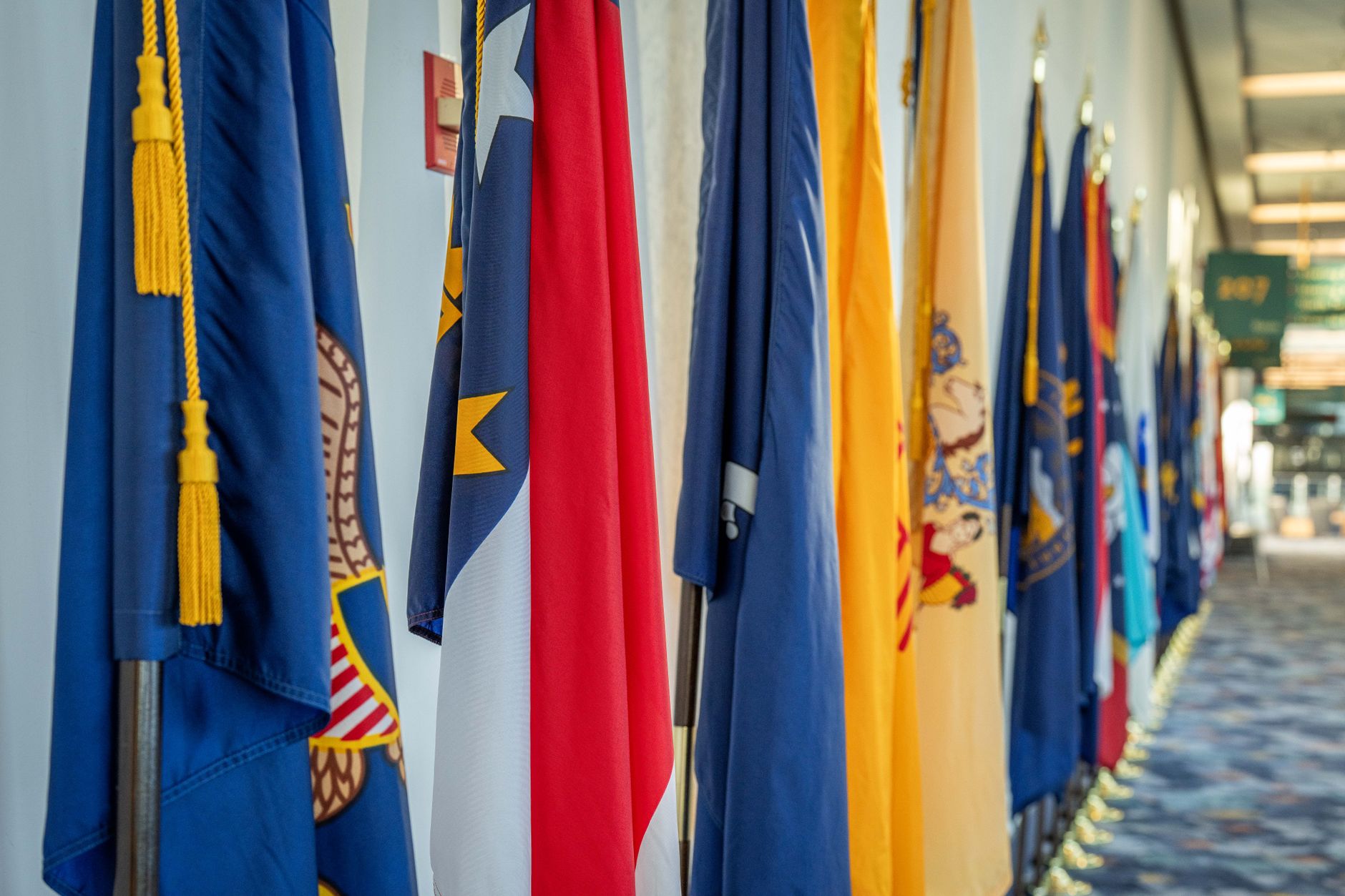
When it comes to making a bold visual statement at an event, trade show, or on business premises, few branded items command attention quite like a custom flag. Whether you’re flying your company colours outside a Brisbane office, creating atmosphere at a Melbourne corporate expo, or outfitting a government department’s multicultural celebration in Canberra, flags made in Australia offer a level of quality, reliability, and turnaround speed that imported alternatives simply can’t match. And in 2026, with growing awareness around supporting local manufacturing, more Australian businesses and organisations are actively seeking domestically produced promotional flags — for good reason.
Why Choose Flags Made in Australia?
The case for sourcing locally produced flags goes well beyond patriotism. There are real, practical advantages that affect your project’s outcome, timeline, and overall value.
Faster Turnaround Times
When you order flags made in Australia, you cut out international shipping windows, customs clearance delays, and the uncertainty of overseas lead times. A local manufacturer in Sydney or Melbourne can typically turn around standard sublimated teardrop or feather flags within five to ten business days once artwork is approved. Urgent orders may be fulfilled even sooner. This makes locally produced flags especially valuable for organisations that need to respond quickly to last-minute events — something we explore in depth in our same-day and express promotional product guide for Canberra-based organisations.
Easier Communication and Quality Control
Working with an Australian supplier means you’re operating in the same time zone, speaking the same language, and often dealing with a team that genuinely understands the local market. If you need colour-matching guidance, artwork revisions, or a last-minute change to your proof, a local supplier can respond promptly. This is especially important for flags where PMS colour matching and print accuracy across large surface areas are critical to the final look.
Supporting Australian Industry
There’s growing momentum behind supporting local manufacturing across every sector, from branded merchandise to raw materials. Choosing flags made in Australia keeps jobs and skills onshore and contributes to the broader economy — a factor that resonates strongly with government departments, councils, and not-for-profits who are often required to demonstrate local procurement preferences.
Types of Custom Flags Available from Australian Manufacturers
Not all flags serve the same purpose, and Australian suppliers typically offer a wide range of flag styles to suit different applications.
Feather Flags and Teardrop Flags
These tall, vertical flag formats are among the most popular for outdoor events and retail environments. Their curved, flowing shape catches the eye and moves dynamically in the breeze. Both feather and teardrop flags are commonly supplied with ground spike, cross base, or weighted base hardware, making them highly versatile. A Gold Coast real estate agency, for example, might use a cluster of feather flags outside an open home to draw foot traffic from the street.
Rectangle and Bow Flags
Rectangular flags on horizontal poles are ideal for more traditional displays, such as government buildings, sports clubs, or hotel forecourts. Bow flags (a variant with a distinctive curved top) have become popular at trade shows and retail pop-ups across Australia because they’re easy to assemble and visually striking.
Table Flags
Smaller table-mounted flags are popular for boardroom presentations, reception desks, and conference delegate tables. A Perth corporate team hosting an international delegation might place branded table flags alongside client gifts — complementing items like oversized tote bags or premium drinkware.
Custom Shaped Flags
Some Australian manufacturers also offer die-cut custom shapes — flags produced in non-standard outlines to create extra visual impact. These are typically used for premium brand activations and are worth discussing directly with your supplier early in the project.
Decoration Methods for Flags Made in Australia
Understanding how flags are printed is essential when briefing your supplier, as the method significantly affects colour vibrancy, durability, and cost.
Dye Sublimation Printing
The dominant decoration method for flags made in Australia is dye sublimation. This process uses heat to transfer dye directly into the fabric, producing vivid, full-colour prints that are deeply embedded into the material rather than sitting on the surface. The result is a flag that resists fading, peeling, and cracking even with extended outdoor use.
Sublimation is ideal for:
- Full-colour photographic or gradient designs
- Complex logos with multiple colours
- Flags exposed to wind, rain, and UV sunlight
It’s worth noting that sublimation works best on polyester fabric, which is why most promotional flags are made from lightweight knitted polyester. If you want to understand this decoration method better across different product types, our guide to sublimation on custom mugs in Australia provides useful background on the process.
Screen Printing for Flags
Screen printing is less common for flags than sublimation, but it remains an option for simple, bold designs with limited colour counts. Our quality guide to screen printing for promotional products explains the process in detail — particularly relevant if you’re coordinating flags with screen-printed merchandise like t-shirts or tote bags for a consistent event aesthetic.
Fabric and Materials: What to Expect
When sourcing flags made in Australia, you’ll typically encounter a few standard fabric options:
- Knitted polyester (115gsm–130gsm): Lightweight and ideal for outdoor flags. Allows wind to pass through, reducing stress on the pole and hardware.
- Woven polyester: Slightly heavier, with a more refined texture. Often used for table flags and indoor display flags.
- Blockout fabric: A two-layer fabric with a dark centre layer that prevents light from showing through the print. Useful for double-sided flags where you want the reverse side to display a mirror image clearly.
For outdoor use in exposed locations — such as Darwin or the Sunshine Coast, where UV and humidity are intense — always request a UV-stable ink process and ideally a fabric with UV-resistant treatment.
Budgeting and Minimum Order Quantities
Pricing for flags made in Australia varies considerably based on size, quantity, fabric type, and included hardware. As a general guide in 2026:
- Small feather or teardrop flags (under 2m): Starting from approximately $60–$90 each including hardware for single quantities, with meaningful price reductions at 5, 10, and 20+ units.
- Medium flags (2m–3m): Typically $90–$140 each in small quantities.
- Large outdoor flags (3.5m–5m+): From $150–$250+ depending on fabric and hardware specifications.
Most Australian flag manufacturers work with very low MOQs — often just one unit — because sublimation printing can be economically applied to small runs. This is a significant advantage over other categories like recycled PET branded merchandise, which often requires higher quantities to be cost-effective.
If you’re planning a large event, it’s well worth factoring flag quantities into your seasonal promotional product planning to take advantage of bulk pricing tiers.
Practical Tips for Ordering Flags in Australia
Artwork Preparation
Flags are large-format print products, meaning low-resolution artwork will look pixelated and unprofessional. Always supply vector files (AI, EPS, or high-resolution PDF) where possible. For photographic elements, ensure images are at least 150dpi at actual print size. Most Australian flag suppliers will provide a proof before production — review it carefully, paying particular attention to how your logo and key text appear at scale.
Matching Your Flags to Other Branded Items
Flags rarely exist in isolation. At events and trade shows, they typically appear alongside branded tablecloths, banners, apparel, and giveaways. For colour consistency across all items, provide your PMS codes to every supplier involved. Think about how your flags coordinate with merchandise like branded water bottles or premium insulated drink bottles that your team might carry or distribute at the same event.
Storage and Care After the Event
Quality Australian-made flags should last for multiple events if stored and handled correctly. Our warehouse storage tips for bulk promotional merchandise offer practical guidance on protecting your investment between uses — particularly important if you’re ordering a fleet of flags for a nationwide rollout. Keep flags clean, dry, and stored in breathable bags to prevent mildew in humid climates like Brisbane or Cairns.
Timing Your Order
Even with local production, don’t leave flag orders to the last minute. Build in a minimum of two weeks from artwork approval to delivery, and longer during peak periods like the Christmas–New Year window or the pre-Easter trade show season. For broader planning context, our spring branded merchandise guide and summer promotional gifts guide outline the seasonal demand spikes that affect production lead times across Australia.
Who Orders Flags Made in Australia?
The range of organisations sourcing Australian-made flags is broader than you might expect:
- Corporate businesses ordering branded flags for head office, retail stores, or conference booths
- Government departments and councils needing flags for civic events, multicultural festivals, and official openings
- Sporting clubs across AFL, rugby, soccer, and cricket commissioning supporter flags and club banners
- Schools and universities ordering flags for speech nights, sports carnivals, and open days
- Charities and not-for-profits running awareness events — much like organisations that invest in branded items for Red Nose Day and SIDS awareness fundraising who often pair flags with other event merchandise
- Event and wedding organisers sourcing decorative or directional flags — a category that increasingly overlaps with wedding stationery and event theming
Key Takeaways
Sourcing flags made in Australia is a smart, practical choice for businesses, corporate teams, and event organisers who value quality, speed, and local accountability. Here’s what to remember before you place your order:
- Local production means faster turnaround — typically five to ten business days, with rush options available through Australian manufacturers.
- Dye sublimation is the gold standard for flag printing, delivering vibrant, fade-resistant full-colour prints on lightweight polyester.
- MOQs are low — most Australian flag suppliers can produce from a single unit, making custom flags accessible to organisations of all sizes and budgets.
- Artwork quality matters — always supply high-resolution vector files and review your digital proof carefully before approving production.
- Plan storage and timing thoughtfully — well-maintained flags can serve your brand across multiple events, making them an excellent long-term investment in your visual marketing toolkit.
Whether you’re flying the flag at a Sydney trade show, decorating a Melbourne end-of-year gala, or setting up a branded activation in Adelaide, choosing flags made in Australia puts quality, speed, and local expertise firmly in your corner.