
A Complete Guide to Printing onto Mugs for Australian Businesses and Events
Discover how printing onto mugs works, which method suits your needs, and how to order branded mugs for your Australian business or event.

Written by
Luca Osei
Drinkware
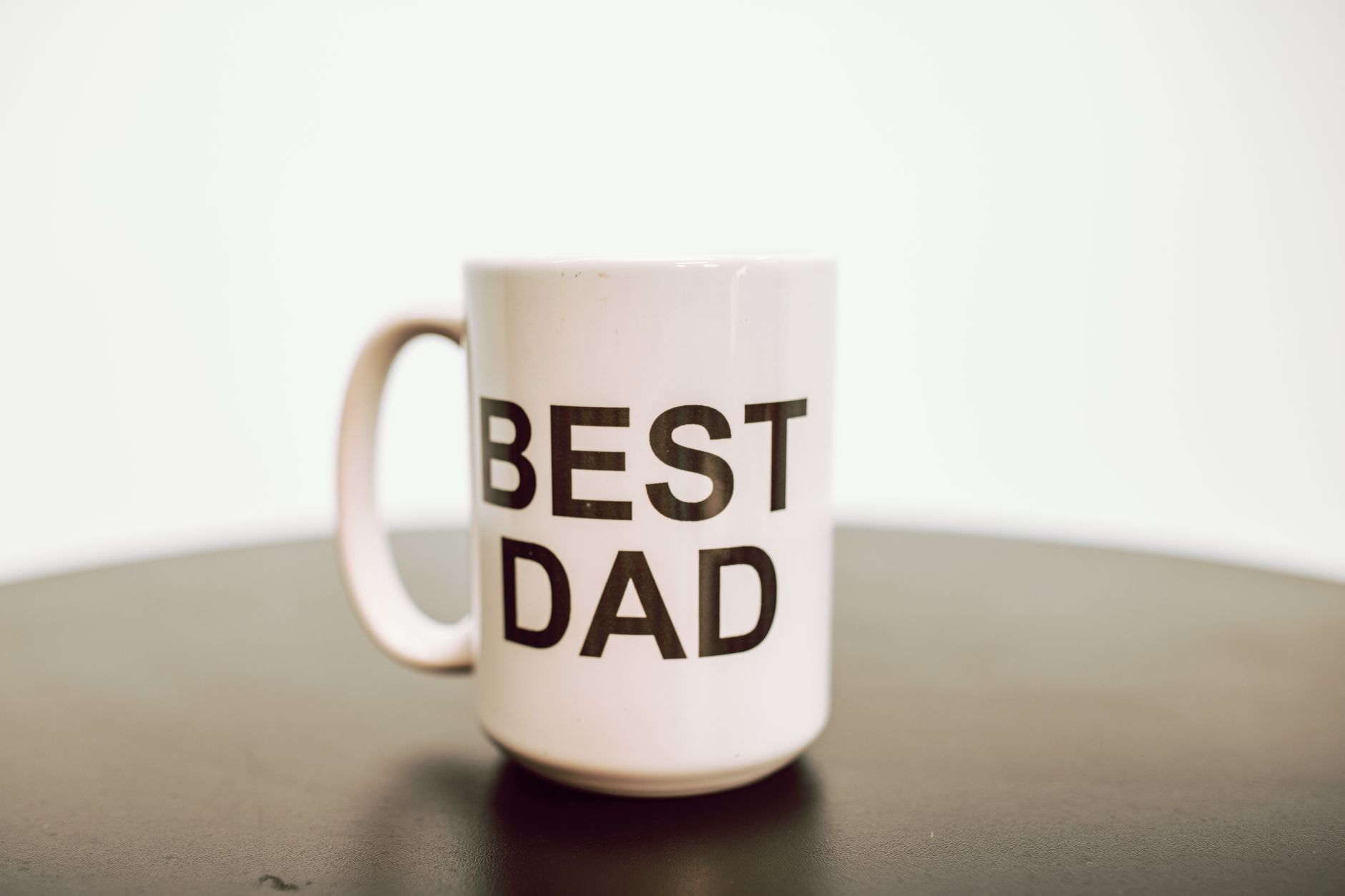
There are few branded merchandise items that earn their place on a desk quite like a custom mug. Every morning coffee, every afternoon tea — your logo is right there, front and centre, in someone’s hand. For Australian businesses, corporate teams, and event organisers, printing onto mugs remains one of the most cost-effective and universally appreciated ways to get a brand noticed. But with several printing methods available, varying MOQs, and a wide range of mug styles to choose from, knowing where to start can feel overwhelming. This guide breaks down everything you need to know to get it right the first time.
Why Branded Mugs Continue to Deliver Real Value
Before diving into the technical side of printing onto mugs, it’s worth understanding why they remain such a strong performer in the promotional products space. Unlike a branded pen that gets lost in a drawer or a flyer that ends up in the bin, a mug is used repeatedly — often multiple times a day. That kind of repeat exposure is incredibly valuable for brand recall.
The data on promotional products ROI in Australia consistently shows that practical, everyday items outperform novelty gifts when it comes to long-term brand impressions. Mugs sit squarely in that “practical everyday” category, making them a smart investment for businesses of any size.
Whether you’re a Melbourne-based corporate team looking to kit out your office with branded drinkware, a Sydney events company sourcing conference giveaways, or a Brisbane charity preparing gifts for a fundraising campaign, mugs offer excellent versatility and broad audience appeal.
Understanding the Different Methods for Printing onto Mugs
Not all mug printing is created equal. The decoration method you choose will directly affect the look, durability, cost, and minimum order quantity of your finished product. Here’s a breakdown of the main options.
Sublimation Printing
Sublimation is arguably the most popular method for printing onto mugs in Australia, and for good reason. The process uses heat to transfer dye directly into the surface of the mug, creating a vibrant, full-colour print that won’t peel, fade, or crack with regular washing. It’s ideal for complex artwork, photographs, gradients, and designs that wrap around the entire mug.
The key requirement for sublimation is that the mug must have a polymer coating — it won’t work on standard ceramic or stainless-steel surfaces without that coating. Sublimation is best suited to white or very light-coloured mugs, as the process relies on the base colour showing through. If you’re considering this method, our detailed guide to sublimation on custom mugs in Australia covers everything from artwork setup to what to expect in terms of colour accuracy.
Pad Printing
Pad printing is one of the most widely used methods for standard promotional mugs. A silicone pad picks up ink from an etched plate and transfers it onto the curved surface of the mug. It handles single or multi-spot colour logos well, and it’s generally more affordable at higher volumes. However, pad printing is less suited to photographic images or designs with lots of tonal variation — it works best with clean, flat logo artwork.
For organisations ordering in bulk — say, 250 mugs or more for a Perth corporate event or an Adelaide university orientation week — pad printing often offers the best cost-per-unit outcome.
Screen Printing
While screen printing is more commonly associated with printing for promotional products like apparel and flat items, it can also be applied to certain mug styles. It’s best for bold, single-colour designs and tends to be very durable when applied correctly. Setup costs can be higher, but unit pricing becomes competitive at larger quantities.
Laser Engraving
For premium branded mugs — think stainless steel travel mugs, double-wall tumblers, or reusable coffee cups — laser engraving is an excellent option. The process removes the outer layer of the material to reveal the base metal or coating beneath, creating an elegant, tactile finish. There’s no ink involved, so the result is permanent and won’t fade over time.
Laser engraving is particularly popular for corporate gifts, executive welcome packs, and high-end event merchandise. The tradeoff is that it typically works best with simpler logo designs rather than complex, multi-colour artwork.
Digital Printing
Some suppliers offer direct digital printing onto mugs, which works similarly to inkjet printing and can accommodate full-colour, detailed designs. It’s a flexible option for short runs or personalised mugs (such as printing individual names), though the durability can vary depending on the mug surface and finishing process.
Choosing the Right Mug for Your Print Method
The mug style and material you choose should always be considered alongside your preferred printing method. Here’s a quick reference:
Ceramic Mugs
The classic choice. White ceramic mugs with a polymer coating are perfect for sublimation, producing sharp, vibrant prints. Standard ceramic mugs also work well with pad printing and screen printing. MOQs for ceramic mugs typically start from as low as 24–50 units, making them accessible for smaller businesses and community groups.
Stainless Steel and Double-Wall Travel Mugs
These suit laser engraving beautifully and can also be pad printed or screen printed. If your audience is environmentally conscious, consider pairing these with messaging around sustainability — similar to how branded reusable water bottles are positioned as eco-friendly alternatives to single-use packaging.
Enamel Mugs
Enamel mugs have seen a significant resurgence in popularity, particularly for outdoor events, camping-themed merchandise, and heritage brands. They’re typically pad printed or screen printed and offer a distinctly retro aesthetic.
Artwork Setup: Getting It Right Before You Order
Poor artwork is one of the most common reasons mug orders get delayed or come back looking different from expectations. Here are the key things to get right:
- File format: Supply your logo as a vector file (AI, EPS, or high-resolution PDF) wherever possible. Raster images like JPEGs or PNGs can pixelate when scaled.
- Colour mode: Use CMYK for full-colour print jobs or specify Pantone (PMS) codes for spot colour work if colour accuracy is critical to your brand.
- Print area: Ask your supplier for a mug template with the exact print area dimensions marked out. Designs that extend beyond the printable area will need to be adjusted.
- Minimum resolution: For digital or sublimation printing, supply artwork at a minimum of 300dpi at the intended print size.
Getting artwork right before you submit saves time and avoids costly reprints. If you’re unsure, most reputable suppliers will provide a digital proof for approval before production begins.
Budgeting and Minimum Order Quantities
Branded mug pricing varies significantly depending on the mug type, decoration method, number of colours, and quantity ordered. As a rough guide for the Australian market in 2026:
- Standard ceramic mugs (pad printed, 1 colour): $4–$8 per unit at 100 pieces
- Sublimation ceramic mugs (full colour): $6–$12 per unit at 100 pieces
- Stainless steel travel mugs (laser engraved): $12–$25 per unit at 50 pieces
- Enamel mugs (pad printed): $8–$15 per unit at 100 pieces
Setup fees — which cover the cost of creating screens, plates, or engraving files — typically range from $40 to $150 per colour or per design, depending on the method. Always factor these into your total cost calculation when comparing quotes.
If you’re planning merchandise orders across multiple campaigns or seasons, it pays to think ahead. Our seasonal planning guide for promotional product purchases offers practical advice on timing your orders to avoid rush fees and stock shortages.
Turnaround Times and What to Expect
Standard production turnaround for printed mugs in Australia typically runs between 7 and 15 business days from proof approval, depending on the supplier and order volume. Rush orders are often possible for an additional fee, but it’s always safer to plan ahead — particularly for events with fixed dates.
If you’re running a large-scale order and need to store inventory between campaigns, check out our warehouse storage tips for bulk promotional merchandise to avoid damage and keep your stock in good condition.
For Canberra-based organisations with tight deadlines, it’s also worth exploring whether same-day promotional product printing options are available in your area.
Beyond Mugs: Rounding Out Your Branded Drinkware Range
While mugs are a fantastic starting point, they work even better as part of a broader branded drinkware strategy. Pairing a custom mug with a branded keep cup, water bottle, or travel tumbler creates a cohesive gifting experience — especially useful for summer promotional gifts or winter promotional campaigns where warmth or refreshment is front of mind.
For corporate welcome packs or event gift bags, consider combining mugs with other branded items like notebooks, lanyards, or quality stationery products to build a more complete brand experience. Eco-conscious organisations might also explore recycled PET branded merchandise or spring branded merchandise options to align with sustainability goals.
And if you’re running a fundraising campaign — like a Red Nose Day awareness drive — branded mugs can serve double duty as both a fundraising product and a long-lasting awareness tool.
Conclusion: Key Takeaways for Printing onto Mugs
Printing onto mugs is one of the most reliable, cost-effective strategies in the branded merchandise toolkit. With the right method, the right mug, and a well-prepared brief, the results can be genuinely impressive — and impressively long-lasting. Before you place your next order, keep these points in mind:
- Match your print method to your artwork and mug type — sublimation for full-colour ceramic mugs, laser engraving for premium stainless steel, pad printing for cost-effective bulk orders
- Always supply vector artwork and confirm Pantone codes with your supplier to ensure colour accuracy
- Factor in setup fees when comparing per-unit costs — they can significantly affect the total budget, especially on smaller runs
- Plan ahead — 7 to 15 business days is typical, but busy periods around Christmas, EOFY, and events can stretch timelines
- Think beyond the single product — mugs paired with complementary branded drinkware or merchandise create a more memorable brand experience for recipients
Whether you’re ordering 50 mugs for a Gold Coast team event or 1,000 for a national conference, getting the details right from the start ensures your brand looks sharp, every cup of the way.