
Warehouse Storage Tips for Bulk Promotional Merchandise Every Business Should Know
Learn how to store, organise, and manage bulk promotional merchandise with these practical warehouse storage tips for Australian businesses.

Written by
Ruby Ahmed
Buying Guides & Tips
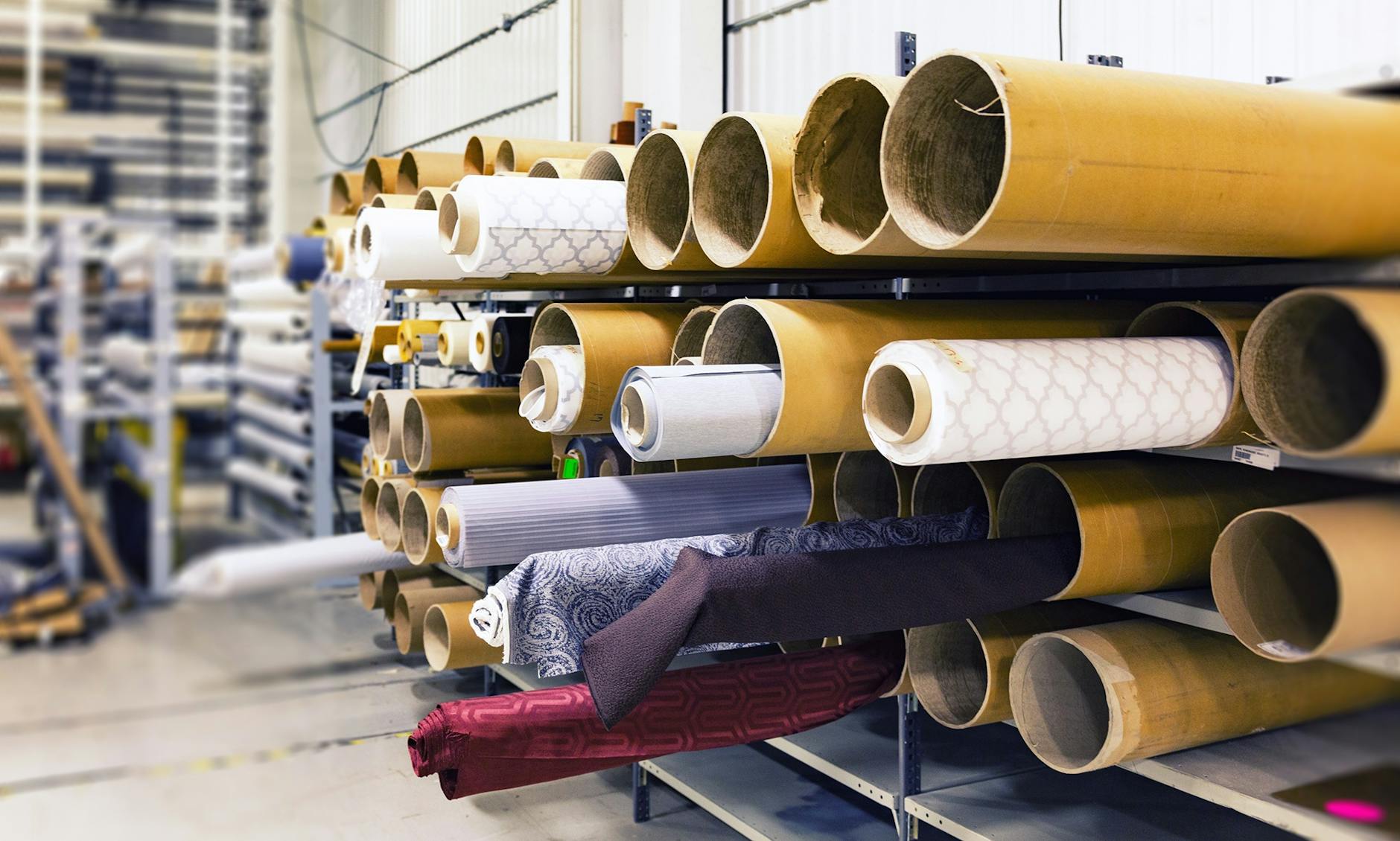
Receiving a large delivery of branded merchandise is genuinely exciting — until you realise you have 2,000 custom tote bags, 500 embroidered polo shirts, and 300 branded keep cups that all need somewhere to live. For many Australian businesses, corporate teams, and event organisers, managing bulk promotional merchandise is an ongoing logistical challenge that doesn’t get nearly as much attention as the design and ordering process. Yet poor storage practices can lead to damaged products, lost stock, delayed distributions, and wasted budget. Whether you’re running a national corporate gifting programme, preparing for a major trade show, or managing merchandise for a series of community events, these warehouse storage tips for bulk promotional merchandise will help you stay organised, reduce waste, and get the most out of every dollar you spend.
Why Proper Storage Matters More Than You Think
It’s easy to underestimate how quickly a disorganised storage area can undermine an otherwise well-executed merchandise strategy. Branded items left in the wrong environment can fade, warp, crack, or deteriorate long before they ever reach a recipient. Beyond physical damage, disorganised storage leads to inventory confusion — products get misplaced, quantities become unclear, and teams waste time searching for items that should be easy to find.
For businesses that invest in high-quality custom products, from screen-printed promotional items to sublimation-printed mugs, protecting that investment through thoughtful storage is simply good business sense. In Australia, where temperatures can swing dramatically between regions and seasons, storage conditions matter even more. A Brisbane warehouse in summer and a Melbourne stockroom in winter present very different challenges for the same products.
The good news is that with a few practical systems in place, even small teams can manage substantial volumes of branded stock efficiently and cost-effectively.
Assessing Your Inventory Before You Store It
Before you even think about shelving systems or labelling, take the time to properly assess what you have. This step is often skipped in the rush to clear floor space, but it pays dividends down the line.
Categorise by Product Type
Group your merchandise into logical categories — apparel, drinkware, tech accessories, stationery, bags, and so on. Within each category, separate by size, colour, or variant where applicable. For example, if you’ve ordered custom polos in sizes XS through to 3XL, ensure each size is clearly separated and labelled before anything goes onto a shelf. Mixing sizes is one of the most common (and frustrating) storage mistakes.
Note Decoration Methods and Fragility
Different decoration methods affect how products should be stored. Embroidered caps can be stacked with care, but screen-printed garments stacked too tightly for too long may develop creasing in the print area. Qi wireless chargers and other tech products are sensitive to moisture and static, while USB extension cables and small accessories are easily lost if not contained properly. Understanding the fragility of each product type helps you assign appropriate storage conditions from the start.
Check for Damage on Arrival
Always inspect a sample of your delivery before storing the full order. If you find defects, you’ll want to raise them with your promotional products supplier before products are dispersed into general stock, where individual damaged items are much harder to track down and return later.
Essential Warehouse Storage Tips for Bulk Promotional Merchandise
With your inventory assessed and categorised, you’re ready to set up a storage system that actually works. These practical warehouse storage tips for bulk promotional merchandise apply whether you’re working with a dedicated warehouse space or a modest back-office stockroom.
1. Invest in the Right Shelving and Racking
The foundation of any good storage setup is appropriate shelving. Heavy items like boxed drinkware, branded wine carrier bags, or bulky corporate bags should sit on lower, reinforced shelves. Lighter items — promotional pens ordered in bulk, lanyards, promotional mouse pads, and similar stationery — can be stored higher up in clearly labelled bins.
Adjustable metal shelving is typically the best investment for variable merchandise stock, as you can reconfigure it as your inventory mix changes across different campaigns and seasons. Avoid storing anything directly on the floor, which increases the risk of moisture damage and makes stock counts more difficult.
2. Implement a Clear Labelling System
Label everything — and be specific. A label that reads “BAGS” is not nearly as useful as one that reads “BAGS – Navy Tote 35x40cm – 150 units – Received Feb 2026.” Include the product name, colour/variant, quantity, and receipt date on every label. Use consistent label placement so anyone in your team can find and understand the system without guidance.
For larger operations, a colour-coded labelling system that maps to product categories can further speed up picking and distribution. This is particularly valuable for event organisers managing merchandise for multiple upcoming events, where the wrong product going to the wrong event can cause significant headaches.
3. Control Temperature and Humidity
Australian climate extremes can wreak havoc on merchandise. Heat causes plastics to warp and adhesives to fail. Humidity leads to mould on fabric products and corrosion on metal items. Wherever you store your stock, aim for a stable, moderate environment — ideally between 15°C and 25°C with low humidity.
This is especially critical for tech accessories, which can be permanently damaged by heat or moisture exposure. It’s also worth noting that recycled PET merchandise and eco-friendly products often use natural or organic materials that are particularly sensitive to damp conditions.
If your storage space is prone to temperature fluctuations — common in many Darwin and Perth facilities during summer — consider investing in dehumidifiers or portable climate control units for the areas where your most valuable stock is kept.
4. Use the FIFO Method
FIFO — First In, First Out — is a principle borrowed from warehousing and food storage, and it applies perfectly to promotional merchandise. Always move older stock to the front and place new stock at the back. This prevents products from sitting for too long without being used, which is especially relevant for seasonal merchandise. Items ordered for summer promotional campaigns or winter corporate gifting have a relevance window, and letting them age in a stockroom defeats the purpose of ordering them.
5. Maintain a Living Inventory Spreadsheet
A physical storage system is only as effective as the records that support it. Maintain a digital inventory log — even a straightforward spreadsheet works well for most teams — that tracks product name, variant, quantity on hand, location in storage, reorder point, and distribution history.
Update this log every time stock moves, whether it’s being sent to a Hobart event, distributed at a Canberra conference, or handed out at a Sydney office activation. Real-time inventory visibility prevents the embarrassing situation of promising merchandise you’ve already given away.
6. Designate a Picking and Packing Zone
Separate your storage area from your fulfilment zone. Having a dedicated space to pull, check, and pack merchandise orders reduces the risk of mixing up products or creating disorder in your organised storage. This is particularly important for teams managing multiple campaigns simultaneously — perhaps spring merchandise activations running alongside a year-round corporate gifting programme.
7. Plan for Seasonal and Campaign Rotations
Think ahead. If you know you’ll be ordering new stock for an upcoming conference or product launch, plan the storage layout accordingly. Reserve accessible shelf space in advance rather than cramming new deliveries wherever they’ll fit. Understanding current promotional product market trends in Australia can also help you anticipate what product categories are likely to grow in your inventory so you can plan storage accordingly.
Managing Stock for Events and Activations
Event organisers face a unique set of storage challenges because their merchandise needs are often cyclical and time-sensitive. A corporate team managing promotional products for events might find themselves with large volumes of stock arriving in a short window before an expo or conference, then needing to distribute quickly and account for leftovers afterwards.
A few additional strategies help here. First, pre-pack event kits in advance where possible — grouping items for each event in labelled boxes or bags means distribution on the day is fast and accurate. Second, always conduct a stocktake immediately after an event while quantities are still fresh. Leftover merchandise should be returned to storage promptly and quantities updated in your inventory log. Third, assess the ROI of your promotional merchandise strategy after each event to inform future ordering quantities — over-ordering creates storage problems, while under-ordering means missed opportunities.
Knowing When to Use Third-Party Fulfilment
For businesses with genuinely large or complex merchandise programmes, in-house storage may not be the most efficient solution. Third-party logistics providers (3PLs) offer professional warehousing, inventory management, and fulfilment services that can be more cost-effective than maintaining your own storage infrastructure — particularly for organisations running national campaigns from Adelaide to Cairns.
Before committing to a 3PL arrangement, consider whether your merchandise volume, distribution frequency, and geographic spread justify the cost. For many mid-sized corporate teams and event organisations, an improved in-house system delivers all the efficiency gains they need without the added expense.
Conclusion: Key Takeaways
Effective storage and inventory management for bulk promotional merchandise is one of the most overlooked aspects of a successful branded merchandise strategy. Implementing the right systems from the start protects your products, saves your team time, and ensures your investment in branded items delivers its full value.
Here are the key takeaways to remember:
- Assess before you store — inspect for damage and categorise thoroughly before anything goes on a shelf
- Label specifically and consistently — include product name, variant, quantity, and date received on every storage location
- Control your environment — protect against heat and humidity, particularly for tech accessories and eco-friendly products
- Use FIFO rotation — always move older stock first to maintain relevance and prevent waste
- Maintain a live digital inventory — track all stock movements in real time to avoid over-promising or running out
- Plan storage around your campaign calendar — allocate space proactively rather than reactively to avoid disorganisation during busy periods