
Wedding Stationery Invites: A Complete Guide for Corporate Event Organisers
Planning a corporate event or wedding-style gala? Discover how to order custom wedding stationery invites that impress guests and reflect your brand.

Written by
Freya Dutta
Stationery & Office
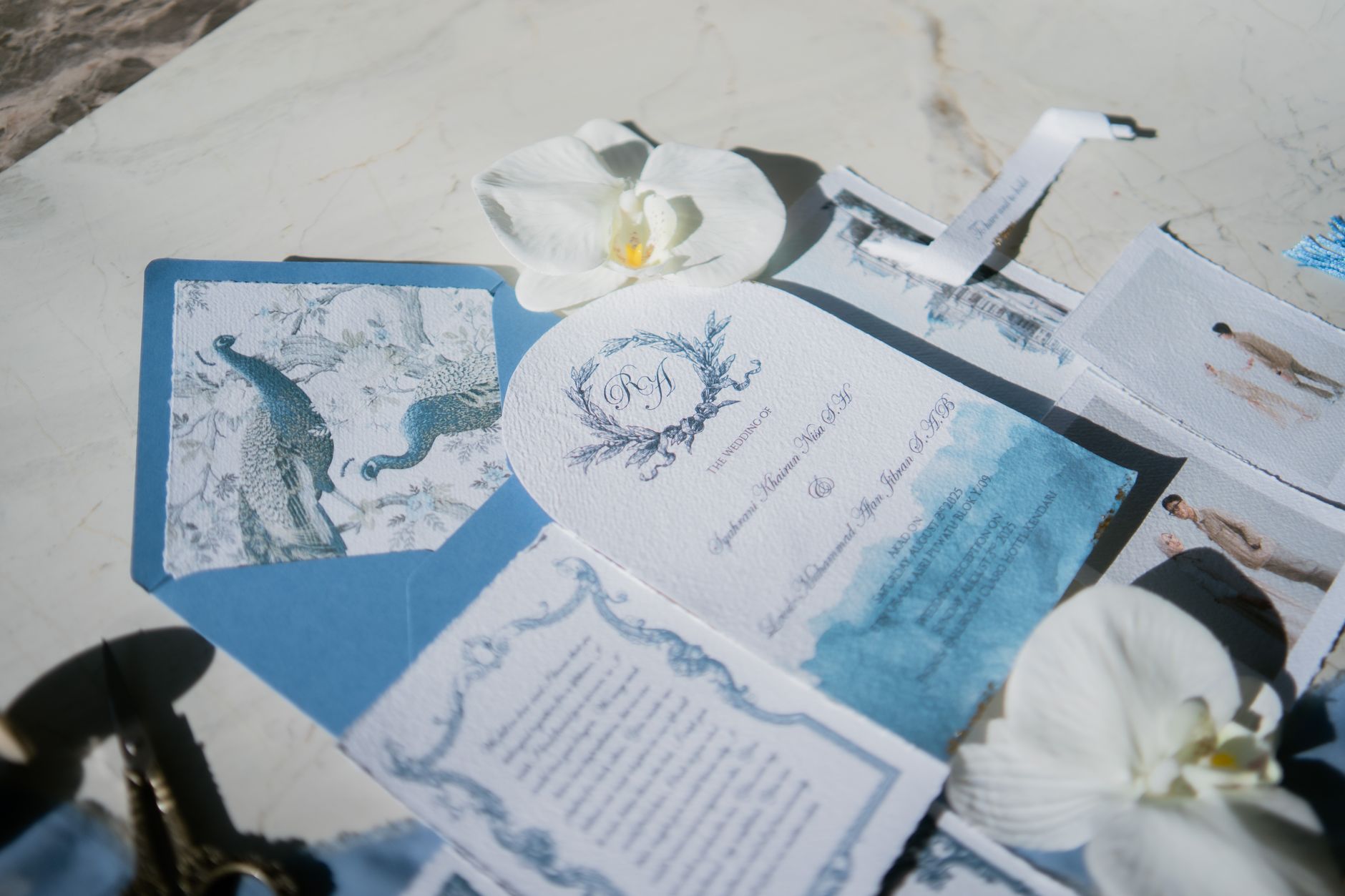
Every great event begins with a first impression — and nothing sets the tone quite like a beautifully crafted invitation. Whether you’re planning a corporate gala dinner, an awards night, an end-of-year celebration, or a formal client event that carries the same prestige as a wedding, wedding stationery invites represent one of the most powerful touchpoints in your entire event strategy. The physical invite that lands in someone’s hands tells them everything they need to know about what to expect: the formality, the attention to detail, and the care that has gone into the occasion. For event organisers, corporate teams, and businesses across Australia looking to elevate their next high-profile function, this guide covers everything you need to know about ordering premium stationery for events done properly.
Why Wedding Stationery Invites Matter for Corporate Events
It might seem unusual to draw a connection between wedding stationery and corporate events, but the two worlds have been converging for years. High-end conferences, gala dinners, charity fundraisers, and milestone corporate celebrations increasingly borrow design sensibilities — and production standards — straight from the wedding industry.
Think about it this way: a Sydney financial services firm hosting its annual client appreciation dinner wants guests to feel valued, respected, and genuinely excited to attend. A mass-produced email invite won’t create that feeling. But a beautifully designed, letterpress-printed card with a personalised name, soft-touch coating, and a coordinated envelope liner? That tells a completely different story.
The language of “wedding stationery invites” applies here because the production techniques, design standards, and printing methods are identical. Whether it’s a wedding at a Hunter Valley winery or a Melbourne CBD corporate awards ceremony, the physical stationery serves the same purpose: it makes the recipient feel the occasion is worth their time.
This is also particularly relevant for businesses that host events as part of their client relationship strategy. According to research we’ve covered in our analysis of promotional products ROI data in Australia, tangible branded touchpoints — like premium printed stationery — consistently outperform digital-only communications in terms of recall and perceived value.
Understanding the Stationery Suite: What’s Included
Before you begin ordering, it’s worth understanding what a full stationery suite actually encompasses. Many event organisers make the mistake of thinking about invites in isolation, when in fact there are multiple components that work together to create a cohesive branded experience.
The Core Invite Card
This is the hero piece — the main invitation itself. For formal events, typical dimensions run at A5 (148mm x 210mm) or DL (99mm x 210mm), though square formats (e.g. 150mm x 150mm) have become popular for modern aesthetic events. Your invite card should include the event name, date, time, location, dress code (if applicable), and RSVP instructions.
Envelopes and Liners
The envelope is the first thing your guest sees. A plain white envelope with a printed label undercuts the elegance of even the most premium invite card. Consider custom envelope liners — patterned or branded interior paper — as well as envelope printing with return addresses or decorative borders.
RSVP Cards and Digital Integration
Traditional RSVP cards are making a comeback for prestige events, though many organisers now print a QR code on the card that links to an online RSVP form. This hybrid approach maintains the physical elegance while streamlining your admin process.
Additional Collateral
A complete stationery suite for a major event might also include:
- Information or details cards — venue maps, accommodation suggestions, parking instructions
- Order of proceedings cards — for dinners, ceremonies, or multi-session events
- Menu cards — especially for seated dinners
- Place cards and table numbers
- Thank-you cards to send after the event
You can explore a broader range of complementary branded event materials in our guide to promotional products for events, which covers everything from event-day giveaways to signage and registration essentials.
Decoration and Print Methods: Choosing the Right Finish
This is where the quality — and the cost — differentiates standard printing from truly premium wedding-quality stationery. The decoration method you choose will depend on your budget, quantity, and the aesthetic you’re aiming for.
Flat Digital Printing
The most accessible and cost-effective option. Digital offset printing produces sharp, full-colour results and is suitable for quantities from as few as 25 pieces up to thousands. Turnaround times are typically five to ten business days after artwork approval.
Letterpress Printing
A centuries-old technique that creates a tactile, debossed impression in the paper. Letterpress is considered one of the most prestigious options for formal invites and is favoured by luxury wedding stationery brands and high-end corporate events alike. It works best with one to two colours on thick cotton or uncoated card stock (typically 300–600gsm). Minimum order quantities (MOQs) tend to be higher — often 50 to 100 pieces minimum — and lead times can stretch to three weeks or more.
Foil Stamping
Metallic foil — gold, silver, rose gold, or custom Pantone metallics — applied using heat and pressure to create a reflective, luxurious finish. Particularly effective for logos, names, or headings. Often combined with letterpress or digital printing for a mixed-technique result.
Laser Cutting and Engraving
Used to create intricate cutouts in card or to engrave details into timber, acrylic, or vellum overlays. We’ve covered laser engraving in detail in our discussion of screen printing quality for promotional products, and the same principle applies: the right decoration method depends entirely on your material and design complexity.
Thermographic Printing (Raised Print)
A budget-friendlier alternative to letterpress that creates a raised, tactile finish using heat-treated powder. Popular for formal corporate invites where letterpress isn’t within budget.
Artwork, Colours, and Brand Alignment
For corporate events, aligning your stationery with your organisation’s brand identity is non-negotiable. This means working with PMS (Pantone Matching System) colour references to ensure your invite’s ink colours match your logo and other branded materials.
Your artwork files should be provided in vector format (AI, EPS, or PDF) at 300dpi minimum. If your event has a custom theme — say, a black-and-gold gala or a botanical-inspired garden party — work with your designer to develop a consistent visual language across every piece in the suite.
For businesses that need support sourcing branded event collateral at scale, our guide on finding a reliable promotional products supplier is a useful starting point for understanding how to vet vendors and manage large stationery orders.
Budgeting and Minimum Order Quantities
Stationery budgets vary enormously depending on print method, paper stock, quantity, and finishing options. Here’s a general framework:
- Digital flat printing (100 invites): $200–$500 including design and envelopes
- Foil-stamped or letterpress (50–100 invites): $500–$1,500+
- Full luxury suite (invite, envelope liner, RSVP, menu, place cards): $1,500–$5,000+ for 100 guests
For large corporate events — think an ASX-listed company hosting 500 guests at a Melbourne Convention Centre gala — bulk pricing becomes a significant consideration. As with other branded merchandise categories (see our overview of promotional items in Sydney wholesale), the per-unit cost drops substantially at higher quantities.
MOQs for premium letterpress and foil printing are typically higher (50–100 pieces), while digital printing often has no meaningful MOQ. Always order 10–15% more than you need to account for last-minute additions, spoilage, and keepsake copies.
Timelines and Ordering Lead Times
One of the most common mistakes event organisers make is leaving stationery too late. Here’s a realistic timeline working backwards from your event date:
- 12+ weeks out: Brief your designer or supplier, finalise guest list counts, lock in event details
- 8–10 weeks out: Artwork finalised and approved, production begins
- 6–8 weeks out: Proofing and sign-off on physical samples
- 4–6 weeks out: Invites received, posted to guests
- 3–4 weeks out: RSVP deadline for guests
For urgent corporate events, some suppliers offer expedited turnaround. Our article on same-day promotional product printing in Canberra is worth reading if you’re working to a very tight timeline, as rush printing options do exist for simpler stationery pieces.
Coordinating Stationery With Your Broader Event Collateral
Premium wedding-style stationery doesn’t exist in isolation. The most impactful events coordinate their printed stationery with every other touchpoint — from the welcome gift at each place setting to the branded merchandise guests take home.
For example, a Brisbane financial planning firm hosting an end-of-year client dinner might pair their gold-foil invitation suite with laser-engraved bamboo pens on the table, a branded notebook in each attendee’s goodie bag, and a QR-code printed card linking guests to a digital event program. If you’re looking to round out your event stationery with complementary desk accessories, our guide to promotional pens in bulk covers everything from budget ballpoints to premium branded options.
And if you’re running a themed event — perhaps a spring garden party or a summer cocktail celebration — you might also explore spring branded merchandise ideas or summer promotional gifts to align your entire event aesthetic from invite to farewell gift.
Drinkware is another natural pairing for corporate event tables. Many organisers now include custom sublimation-printed mugs or branded glassware as part of the place setting, which pairs beautifully with premium stationery when colour-matched correctly.
For events with significant beverage components, promotional wine carrier bags in Melbourne are a popular keepsake choice that pairs elegantly with formal printed invitations.
Eco-Friendly Stationery Options
Sustainability is increasingly important to Australian businesses and their guests. Eco-conscious event stationery is more accessible than ever, with options including:
- Recycled or FSC-certified paper stocks — same premium finishes, responsibly sourced
- Seed paper invitations — printed on plantable paper embedded with wildflower or herb seeds
- Soy-based or water-based inks — lower VOC emissions than traditional petroleum inks
- Digital-first hybrid approaches — premium physical invites for key guests, digital versions for broader distribution
This aligns with broader trends we’ve tracked in our coverage of promotional products market trends in Australia, where eco-friendly materials are consistently among the fastest-growing categories in branded merchandise.
For businesses in Hobart and regional Tasmania, eco-friendly stationery is particularly resonant with local audiences — worth keeping in mind if you’re planning events in those markets. Check our promotional products guide for Hobart for more regionally relevant ideas.
Conclusion: Key Takeaways for Ordering Wedding Stationery Invites
Wedding stationery invites have earned their place in the corporate event toolkit because they work — they elevate perception, create anticipation, and tell your guests that what’s coming is worth showing up for. Whether you’re running a 50-person client dinner or a 600-person gala in Adelaide, the principles of great event stationery remain the same.
Here are the key takeaways to guide your next project:
- Start early. Premium print methods like letterpress and foil stamping require four to six weeks of lead time minimum — plan your stationery timeline before anything else.
- Align with your brand. Use PMS colour references, your approved fonts, and consistent visual language across every piece in the stationery suite.
- Consider the full suite. Don’t treat the invite card in isolation — envelopes, RSVP cards, menus, and place cards all contribute to a cohesive guest experience.
- Budget for quality. Premium finishes cost more upfront but create a lasting impression that justifies the investment, particularly for high-value client relationships.
- Coordinate with your event merchandise. The most memorable events align their stationery with branded table items, gifts, and collateral — from pens to drinkware to welcome bags.
For more help planning your event’s branded touchpoints from start to finish, explore our full range of resources at Branded Merch Daily’s stationery and office guides and our dedicated section on wedding stationery invites for more product-specific advice.