
The Complete Guide to Customizing Mugs for Australian Businesses and Events
Discover how to customise mugs for your business, event, or team. Tips on decoration methods, MOQs, budgets, and getting the best results.

Written by
Luca Osei
Drinkware
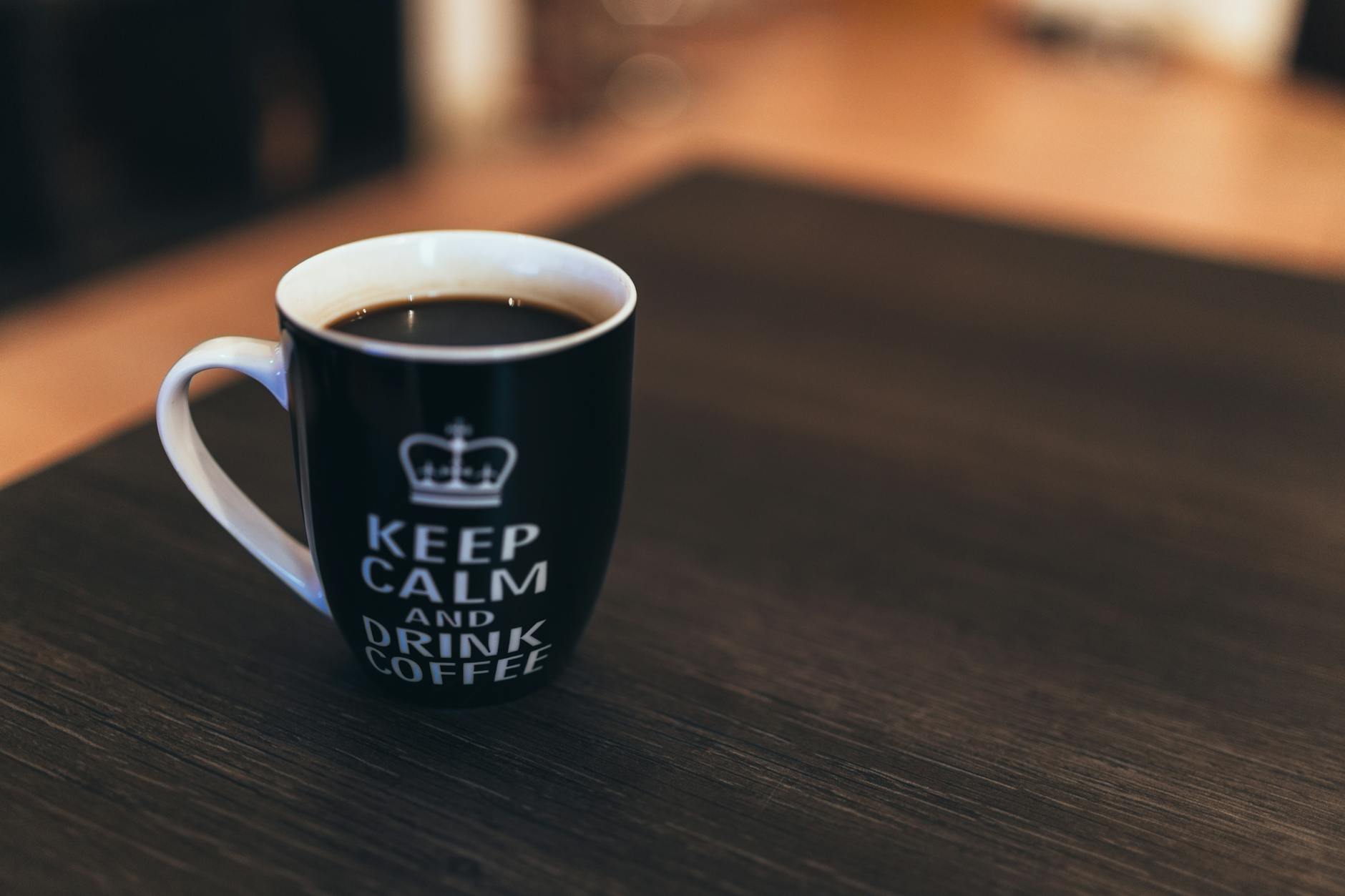
There’s something undeniably satisfying about wrapping your hands around a mug that carries your brand. Whether it’s the first coffee of the morning in a Sydney co-working space or a team debrief in a Melbourne boardroom, mugs are used every single day — which is exactly what makes customizing mugs one of the smartest investments in branded merchandise. Unlike a flyer that ends up in the bin or a pen that gets lost, a well-made custom mug can sit on a desk for years, quietly reinforcing your brand with every sip. If you’re a business, corporate team, or event organiser trying to figure out where to start, this guide covers everything you need to know.
Why Customizing Mugs Works So Well as a Branding Strategy
Mugs occupy a unique space in the world of promotional products. They’re practical, they’re personal, and they’re highly visible. A branded mug used in an office kitchen is seen not just by its owner but by every colleague who walks past. That kind of passive, repeated exposure is enormously valuable — and it costs a fraction of what most digital advertising campaigns demand.
Compared to other marketing items with a logo, mugs offer one of the strongest combinations of perceived value and daily use. Recipients genuinely appreciate receiving a quality mug — it doesn’t feel like a throwaway promotional item. This perception of value is important, particularly for corporate gifting, client appreciation campaigns, and staff onboarding kits.
In Australia, customised mugs are popular across a broad range of sectors. Real estate agencies in Brisbane order them for open house gift bags. Canberra government departments use them for team recognition. Adelaide charities include them in fundraiser packs. Perth tech companies put them in new employee welcome boxes. The use cases are remarkably diverse, which speaks to the product’s universal appeal.
Who Benefits Most from Custom Mugs?
Virtually any organisation can benefit from branded mugs, but a few sectors tend to find them particularly effective:
- Corporate businesses — for client gifts, conference swag, and internal team culture
- Events and conferences — as attendee gifts or sponsor activations
- Schools and universities — for staff gifts, alumni merchandise, and graduation keepsakes
- Hospitality businesses — for brand presence in cafés, hotels, and accommodation venues
- Charities and not-for-profits — for fundraising merchandise and donor appreciation
If you’re thinking about what else works well alongside mugs in a merchandise bundle, it’s worth exploring promotional products for events to see how different items complement each other in a kit.
Understanding Your Options Before Customizing Mugs
Before you place an order, it’s worth understanding the landscape. Not all mugs are created equal, and the decoration method you choose will depend heavily on the mug material, your artwork, your budget, and your intended use.
Types of Mugs Available for Customisation
Ceramic mugs are the classic choice. They’re available in a wide range of sizes (typically 300ml to 450ml), feel premium in the hand, and work well for both office and hospitality settings. Ceramic mugs are most commonly decorated using sublimation or pad printing.
Enamel mugs have seen a resurgence in popularity, particularly for outdoor brands, camping-themed merchandise, and tourism applications. If you’re in the souvenir or gift retail space, they pair nicely with products like custom printed tea towels to create a cohesive range.
Stainless steel mugs and travel mugs are the go-to for recipients who are always on the move. Double-walled designs keep beverages hot or cold for hours, and they’re increasingly popular as corporate gifts. These are typically laser engraved or pad printed.
Glass mugs offer a premium, modern aesthetic that works well for cafés, cocktail bars, and high-end corporate gifting. They’re generally decorated with etching or screen printing.
Reusable takeaway cups (keep cups) have surged in popularity as organisations look to align with sustainability values. If eco-friendly branding is a priority, check out our broader look at promotional items that are eco-friendly for context on the full range available.
Decoration Methods Explained
Sublimation printing produces vibrant, full-colour, wrap-around designs and is ideal for ceramic mugs with a white or light-coloured coating. The ink is infused into the surface, making it dishwasher-safe and long-lasting. This is a great option for photographic imagery or complex, multi-colour artwork.
Pad printing transfers ink from a silicone pad onto the mug surface. It’s well-suited to single or two-colour logos and is the most common method for corporate and promotional mugs. It’s cost-effective at volume.
Laser engraving removes a thin layer of the surface to reveal the material beneath, creating a premium etched effect. It’s particularly effective on stainless steel travel mugs and enamel mugs, offering a sophisticated, permanent result that won’t fade or peel. The process is similar to what’s used in debossing on custom t-shirts — it’s all about creating tactile, lasting impressions.
Screen printing is used for larger flat print areas, particularly on glassware or flat-sided ceramic options.
Practical Considerations When Ordering Custom Mugs
Getting the most out of your custom mug order comes down to a few key logistical decisions. Here’s what to think through before you finalise anything.
Minimum Order Quantities and Pricing
Most Australian suppliers offer custom ceramic mugs from as low as 24–36 units, though pricing per unit drops significantly at higher quantities. Common pricing tiers fall at 50, 100, 250, and 500 units. For a standard 11oz white ceramic mug with a one-colour pad print logo, you might expect to pay between $5 and $10 per unit at 100 pieces, inclusive of decoration. Premium travel mugs or double-walled stainless steel options will typically sit higher — around $12 to $25 per unit depending on complexity.
Setup fees are common for most decoration methods and typically range from $50 to $100 per colour or design. Always ask whether the setup fee is waived for reorders, which can save you money on repeat orders.
Artwork Requirements
For the sharpest results, supply your artwork as a vector file (AI, EPS, or SVG format). If you’re using sublimation for a full-colour design, a high-resolution raster file (minimum 150dpi at print size) is also acceptable. Most suppliers will provide a digital proof before production — always review this carefully, paying attention to colour accuracy, text sizing, and placement.
If PMS colour matching is important for your brand, be sure to specify your Pantone codes upfront. This is especially critical for corporate clients where brand consistency is non-negotiable.
Turnaround Times
Standard production for custom mugs in Australia typically runs between 7 and 15 business days from proof approval, depending on the supplier and decoration method. Express options are available in some cases — if you’re in a pinch, it’s worth reading about same-day promotional product printing in Canberra to understand what’s genuinely achievable at speed.
Always build in buffer time, especially around peak periods like Christmas or EOFY. Speaking of seasonal gifting, mugs are a consistently popular choice — if you’re planning holiday gifts, our guide to Christmas gift ideas is a useful companion resource.
Packaging and Presentation
If you’re sending mugs as corporate gifts, presentation matters. Individual gift boxes, tissue paper, and branded ribbon can elevate a $12 mug into something that feels genuinely premium. Some suppliers offer white gift box packaging as a standard or low-cost add-on. For larger orders being shipped to a single location, mugs are generally packed in individual polystyrene or cardboard inserts to prevent breakage during transit.
Making Your Custom Mug Order Count
Customizing mugs is only one part of a broader branded merchandise strategy. How you use them matters just as much as the product itself.
Consider pairing mugs with complementary items. A corporate gift hamper might include a custom mug alongside promotional pens in bulk and a branded notebook. A conference satchel might combine a travel mug with a wireless Qi charger and a USB drive. Bundling items increases the perceived value of your gift significantly without a proportional increase in cost.
For event organisers building out a merchandise range, mugs work particularly well alongside items like promotional mouse pads for a desk-themed pack, or alongside branded apparel and carry bags as part of a delegate welcome kit.
It’s also worth keeping an eye on broader promotional products market trends in Australia to ensure your merchandise choices stay relevant and aligned with what audiences genuinely value in 2026.
If you’re new to the merchandise ordering process altogether, it helps to understand what to look for in a promotional products supplier before committing to a large order. Checking for Australian stock, local customer service, and transparent pricing structures will save you headaches down the line.
Conclusion: Key Takeaways for Customizing Mugs in Australia
Customizing mugs remains one of the most effective and enduring forms of branded merchandise available to Australian businesses and organisations. When done well, a custom mug delivers daily brand visibility, genuine perceived value, and a tangible connection between your organisation and its audience.
Here are the key things to remember:
- Choose the right mug type for your audience — ceramic for office or gifting, stainless steel travel mugs for active professionals, enamel for outdoor and tourism contexts
- Match your decoration method to your artwork — sublimation for full-colour complexity, pad printing for simple logos, laser engraving for a premium finish
- Plan your quantities carefully — pricing drops significantly at volume, and setup fees can be amortised across larger runs
- Allow adequate lead time — aim for at least two to three weeks from artwork finalisation to delivery, and longer during peak periods
- Think beyond the mug itself — packaging, bundling, and strategic distribution turn a good product into a memorable brand experience