
Custom Stickers For Non-profit Marketing Campaigns
Learn about custom stickers for non-profit marketing campaigns for Australian businesses. Expert tips and advice from Branded Merch Daily.

Written by
Mia Chen
Branding & Customisation
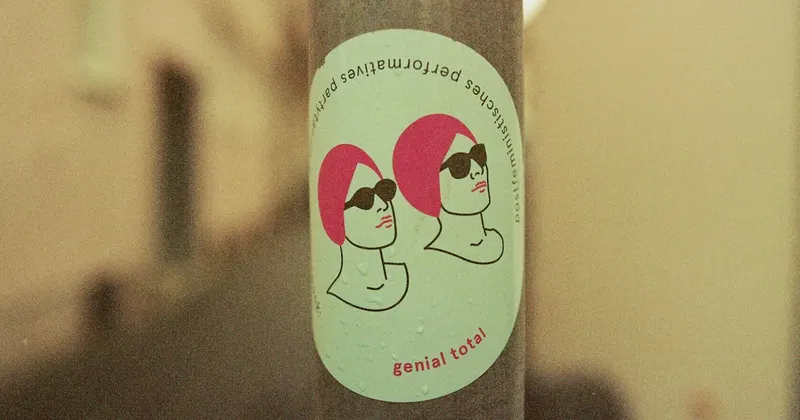
When it comes to stretching a tight marketing budget, few promotional tools offer the versatility and impact of a well-designed sticker. For non-profit organisations across Australia — whether you’re a community charity in Adelaide, a wildlife conservation group in Queensland, or a social enterprise operating out of Melbourne — custom stickers for non-profit marketing campaigns can be one of the smartest investments you make. They’re affordable, highly customisable, eye-catching, and they put your brand and message directly into the hands of your supporters. But knowing how to use them effectively, choose the right formats, and order them in a way that makes sense for your budget requires a little know-how. This guide covers everything you need to get started.
Why Stickers Work So Well for Non-Profit Marketing
Before diving into the practical details, it’s worth understanding why stickers consistently punch above their weight in the non-profit space.
Unlike a brochure that gets read once and recycled, a sticker has longevity. Supporters stick them on laptops, water bottles, car bumpers, phone cases, and notebooks — turning themselves into walking ambassadors for your cause. Every time someone sees that sticker on a colleague’s laptop in a Sydney co-working space or on a reusable bottle at a Brisbane farmers market, your organisation gets a free impression.
Stickers also carry a psychological benefit that most other promotional products don’t: they feel like gifts rather than advertising. When someone receives a well-designed sticker, they want to use it. That emotional connection is incredibly valuable for non-profits, which often rely on community goodwill and word-of-mouth to grow their reach.
From a budgetary standpoint, custom stickers are among the most cost-effective promotional items available. Even small runs can be surprisingly affordable, and bulk orders drop the per-unit cost considerably — which matters enormously when you’re operating on grants, donations, or tight fundraising budgets.
Understanding the Different Types of Custom Stickers
Not all stickers are created equal. Choosing the right format for your campaign makes a significant difference in how they’re perceived and how long they last.
Die-Cut Stickers
Die-cut stickers are cut to the exact shape of your design — think a logo, a character, or an icon. They look polished and professional, and they tend to get kept and used more than standard square or rectangular stickers. For non-profits with a strong visual identity, die-cut stickers can really reinforce brand recognition.
Vinyl Stickers
Vinyl stickers are durable, weather-resistant, and ideal for outdoor use. If your organisation works in conservation, outdoor events, or runs campaigns that involve outdoor signage, vinyl is often the best choice. They hold up against sun, rain, and regular handling — perfect for a Perth-based surf conservation group or a Tasmanian hiking club.
Paper Stickers
Paper stickers are the most budget-friendly option. They’re best suited for indoor use — event giveaways, envelopes, packaging, or handouts at expos and community days. They won’t last as long as vinyl, but if your campaign has a short life cycle (a single fundraising event, for instance), paper stickers are a cost-smart choice.
Clear/Transparent Stickers
Transparent stickers are increasingly popular because they create a seamless, “printed-on” look when applied to glass or plastic surfaces. Great for water bottles, windows, and phone cases, they lend a modern, premium feel to your brand.
Bumper Stickers
A classic for a reason. Bumper stickers are still highly effective for community-based non-profits looking to build grassroots visibility. A well-designed bumper sticker with a short, punchy message can get your organisation in front of thousands of people every single week.
Planning Your Custom Sticker Campaign: Key Considerations
Once you’ve identified the type of sticker that suits your campaign, it’s time to think strategically about how to order and deploy them effectively.
Define Your Campaign Goals First
Are you trying to raise awareness for a cause, promote a fundraising event, recruit volunteers, or simply grow brand recognition? Your campaign goal should directly influence your sticker design, size, quantity, and distribution method. A volunteer recruitment campaign for a Canberra community food bank, for example, would benefit from stickers that include a website URL or QR code directing people to a sign-up page.
Artwork and Design Requirements
Good sticker design starts with print-ready artwork. Most suppliers will require vector files (such as .ai or .eps formats) or high-resolution PDFs for the best results. If your non-profit doesn’t have an in-house designer, it’s worth investing in a one-time design cost — the files can be reused across multiple print runs. Keep your design clean, legible, and limited to two or three colours if you’re working to a budget. If you’re new to artwork preparation, our guide to preparing artwork for promotional products walks through the key file requirements in plain language.
Minimum Order Quantities and Pricing
Minimum order quantities (MOQs) for custom stickers vary depending on the supplier and the product type. Generally speaking, most suppliers offer runs starting from as low as 50–100 units for simple designs, though digital print runs can sometimes start even lower. Bulk orders of 500, 1,000, or 5,000 units will dramatically reduce your cost per unit — often by 50–70% compared to small runs.
For non-profits planning an annual campaign, it often makes sense to order a larger quantity upfront rather than making multiple small orders throughout the year. If your organisation runs events across multiple Australian states, a bulk run gives you flexibility to distribute across regions without incurring additional setup fees each time.
Turnaround Times
Standard turnaround for custom stickers is typically 5–10 business days from artwork approval, though express options are available for urgent campaigns. If you’re planning stickers for a specific event — say, a Gold Coast charity gala or a Darwin community market day — always build in at least two weeks of lead time to allow for proof approval, production, and shipping.
Creative Ways Non-Profits Can Use Custom Stickers
Now for the fun part. Beyond simply handing them out at events, there are dozens of creative ways to integrate custom stickers for non-profit marketing campaigns into your overall strategy.
Fundraising Merchandise Bundles
Pair stickers with other branded merchandise like custom tote bags or reusable water bottles to create fundraising packs that donors can purchase or receive as thank-you gifts. Stickers add colour and personality to any merch bundle without adding significant cost.
Direct Mail and Donation Appeals
Including a sticker in a direct mail campaign gives recipients a tangible, tactile item alongside your letter or brochure. This simple addition has been shown to increase open rates and engagement. For a Melbourne-based homelessness charity sending out an end-of-year appeal, a single quality sticker inside the envelope can meaningfully boost response.
Event Giveaways and Activations
Whether you’re running a stall at a Sydney expo, hosting a school fundraising day, or setting up at a community festival in Brisbane, stickers are one of the most popular giveaway items. Kids love them, adults keep them, and they travel well — which means your message spreads beyond the event itself.
Volunteer and Member Recognition
Custom stickers can also serve an internal purpose. Create milestone stickers for volunteers (“100 Hours of Service” or “Team Leader”) or design member-level stickers for supporter programmes. These small acknowledgements go a long way in building loyalty and community.
Social Media Integration
Encourage supporters to photograph your sticker in interesting locations and share on Instagram or Facebook with a campaign hashtag. This kind of user-generated content is essentially free marketing, and stickers are perfectly suited to it. A well-designed die-cut sticker in a visually interesting location is highly shareable content.
Eco-Friendly Sticker Options for Mission-Aligned Organisations
For non-profits whose mission relates to sustainability, environmental conservation, or social responsibility, the materials and production methods behind your promotional products matter. There are now eco-friendly sticker options made from recycled materials, printed with water-based inks, and produced with minimal waste through digital printing processes.
Choosing sustainable sticker options aligns your promotional materials with your values — and your supporters will notice. It also makes for a stronger brand story. If your organisation is advocating for environmental action, handing out single-use plastic-based stickers can feel inconsistent. Our guide to eco-friendly promotional products explores a range of sustainable alternatives worth considering.
Budgeting Tips for Non-Profit Sticker Orders
Managing a promotional budget for a non-profit means every dollar needs to work hard. Here are a few practical tips to keep your sticker campaign cost-effective:
- Consolidate your designs. Running one design in a large print run is almost always cheaper than running several small batches of different designs. If you need variety, consider a sheet of smaller stickers with multiple designs printed together.
- Plan ahead. Rush fees and express shipping add up quickly. Ordering with adequate lead time avoids unnecessary costs.
- Leverage in-kind support. Some suppliers offer discounted or in-kind services to registered charities and non-profits. It’s always worth asking — the worst they can say is no.
- Apply for grants. Marketing and communications costs, including promotional materials, can often be included in grant applications. Check with your state or territory grants body about eligibility.
- Compare formats. A paper sticker for a one-day event is much better value than paying for premium vinyl when longevity isn’t needed.
Understanding the broader landscape of affordable promotional products for charity events can also help you prioritise where your budget is best spent across a full campaign.
Working with a Supplier: What to Expect
When placing a sticker order with a promotional products supplier, the process typically involves submitting your artwork, reviewing a digital proof, approving for production, and then waiting for delivery. Most reputable suppliers will provide a proof for your approval before printing commences — never skip this step, as it’s your opportunity to catch any errors before they go to print.
For larger orders or ongoing campaigns, it’s worth building a relationship with a dedicated account manager who understands your organisation’s brand guidelines and recurring needs. This saves time on future orders and helps ensure consistency across your branded materials. If you’re also ordering other items like custom lanyards or branded notebooks for events, having one point of contact simplifies the entire process.
Conclusion: Key Takeaways
Custom stickers for non-profit marketing campaigns offer a rare combination of affordability, versatility, and genuine emotional resonance. Whether you’re a small grassroots charity in regional Victoria or a national organisation with campaigns running across every Australian state, stickers deserve a place in your promotional toolkit.
Here’s a quick summary of what to keep in mind:
- Choose the right format for your campaign — vinyl for durability, paper for budget-friendly short-term use, die-cut for brand impact, and transparent for a modern aesthetic.
- Prepare print-ready artwork in vector format to ensure the sharpest results and avoid costly delays.
- Order in bulk where possible to drive down your per-unit cost, and plan ahead to avoid rush fees.
- Think beyond handouts — stickers work across direct mail, merchandise bundles, volunteer recognition, and social media campaigns.
- Align your materials with your mission by considering eco-friendly sticker options if sustainability is central to your cause.
With the right strategy, a simple sticker can become one of the most powerful tools in your non-profit marketing arsenal.