
Debossing on Custom T-Shirts in Australia: What You Need to Know
Discover how debossing works on custom t-shirts in Australia, when to use it, and how to get the best results for your brand.

Written by
Mia Chen
Branding & Customisation
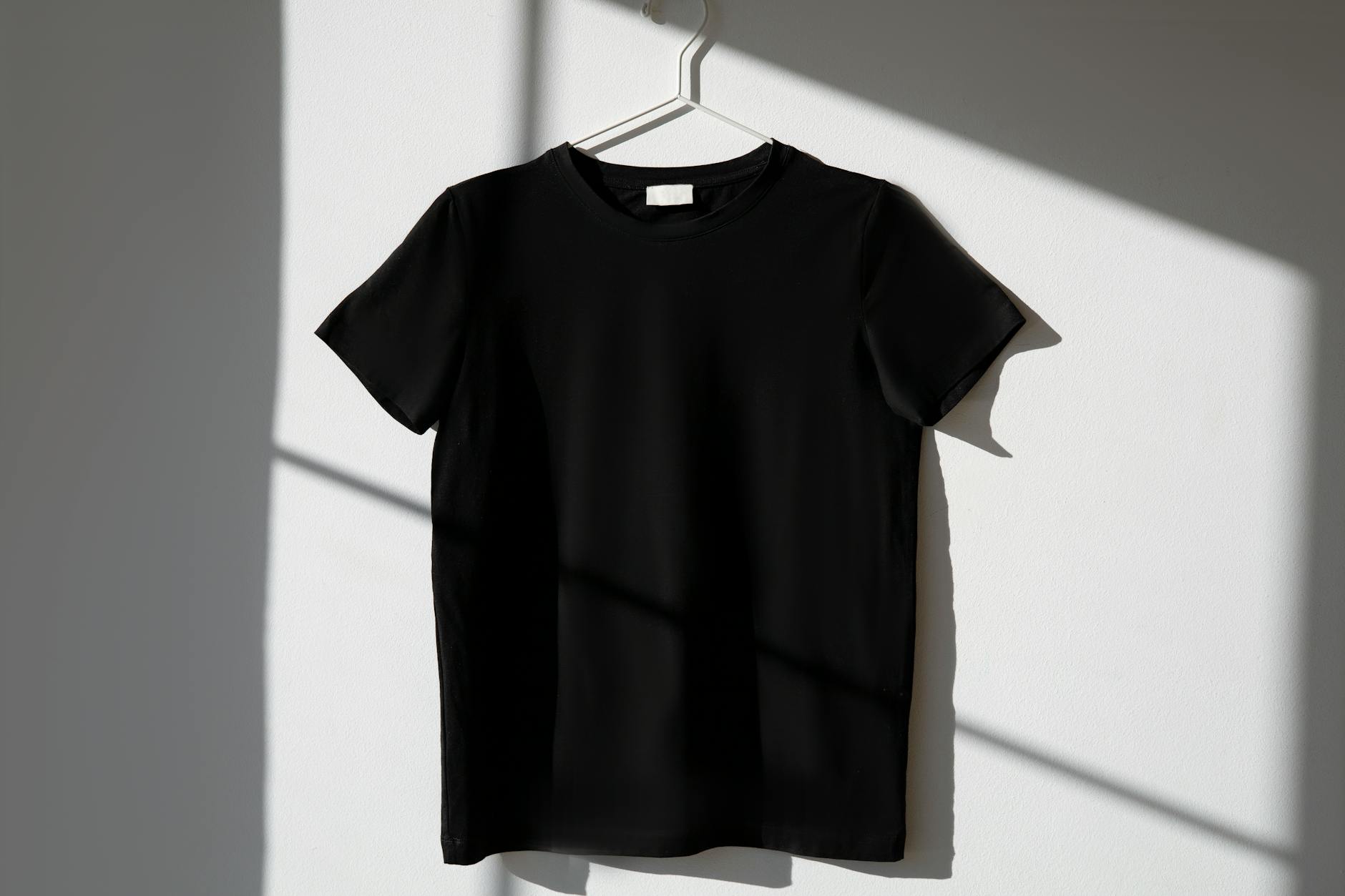
When it comes to standing out in a sea of branded merchandise, the decoration method you choose can make or break the final result. Most Australian businesses default to screen printing or embroidery — both excellent choices — but there’s a lesser-known technique that delivers genuinely premium results: debossing on custom t-shirts. If you’ve ever run your fingers across a logo that seems to sink into the fabric itself, you’ve experienced debossing. It’s tactile, subtle, and undeniably sophisticated. This guide breaks down everything you need to know about debossing on custom t-shirts in Australia, from how the process works to when it’s the right choice for your brand or event.
What Is Debossing, and How Does It Work on Fabric?
Debossing is a decoration technique that presses a design, logo, or text into a material using heat and a custom-made die (a metal stamp). The result is a recessed impression — the design sits below the surface rather than raised above it.
On hard materials like leather, paper, or cardboard, debossing is well established. You’ll see it regularly on premium notebooks, corporate gifts, and packaging. But on fabric — particularly on custom t-shirts — debossing is far less common, which is precisely what makes it so effective when used well.
On t-shirts, debossing is typically achieved using a heat transfer deboss method. A silicone or rubberised patch bearing the debossed design is applied to the garment using a heat press. This creates the impression of a recessed logo without permanently pressing into the raw fabric itself. Some applications use a direct deboss-style heat transfer that mimics the look of traditional debossing in an incredibly convincing way.
It’s worth noting that pure, direct debossing into woven or knitted fabric — the way you’d press into leather — isn’t widely achievable on standard jersey t-shirt fabric due to the material’s elasticity. What the Australian branded merchandise industry delivers instead is a deboss-effect finish that replicates the look and feel authentically.
Debossing vs. Other Decoration Methods for T-Shirts
Understanding where debossing sits in the hierarchy of decoration methods helps you make a smarter decision for your project. If you’re exploring your options, our quality guide to screen printing for promotional products is a great place to start.
Screen Printing
Screen printing is the most widely used method for custom t-shirts in Australia. It’s cost-effective at volume, works across most fabric types, and delivers vibrant, full-colour results. However, it sits on top of the fabric. There’s no tactile element — the logo doesn’t have dimension or depth.
Embroidery
Embroidery stitches a design directly into the garment. It’s raised, textured, and very durable. It’s the go-to for polo shirts, caps, and workwear. But it’s not suitable for photographic detail or fine lines, and it can feel stiff on lightweight tees.
Sublimation
Sublimation bonds ink directly into the fabric’s fibres using heat and pressure, producing vibrant, full-coverage prints. It’s ideal for polyester-heavy garments. For more on that process, see our guide on sublimation on custom mugs in Australia — the principles of the heat-bonding process share similarities. On t-shirts, sublimation doesn’t offer any texture or dimension.
Debossing (Deboss Effect)
What debossing brings that other methods don’t is a premium, tactile quality. The recessed logo or text communicates refinement. It’s particularly striking on single-colour or minimalist designs, where restraint is part of the brand’s identity. Think of it as the difference between a printed business card and an embossed one — both functional, but one unmistakably more impressive.
When Should You Choose Debossing on Custom T-Shirts?
Debossing isn’t the right choice for every project, but when it fits, it fits perfectly. Here are the scenarios where debossing on custom t-shirts truly shines:
Corporate Events and Brand Activations
If your Sydney or Melbourne-based business is producing premium staff uniforms or VIP event merchandise, debossing sends a clear signal about your brand standards. A refined, understated logo on a quality cotton tee communicates far more than a flashy full-colour print ever could.
Hospitality and Retail Brands
Hospitality businesses — boutique hotels, restaurants, high-end bars — often want branded uniforms that feel elevated rather than corporate. A deboss-effect logo on a crew-neck tee positions the brand without screaming it.
Corporate Gifting and Awards
Branded t-shirts are increasingly included in premium gift packs alongside items like Qi wireless chargers and quality drinkware. In that context, the garment itself needs to match the quality of the surrounding items. Debossing achieves that.
Events with a Prestige Element
Charity galas in Brisbane, awards nights in Perth, conference merchandise for an Adelaide leadership summit — events where guests expect a higher standard of execution are ideal applications for debossed custom t-shirts.
Artwork Requirements for Debossing
Getting your artwork right is critical. Because debossing is, at its core, an impression technique, certain design characteristics work far better than others.
What works well:
- Bold, clean logos with clear lines
- Simple wordmarks and monograms
- Geometric shapes and icons
- Designs with good contrast between filled and open areas
What doesn’t work well:
- Very fine lines (under 0.5mm) — they can lose definition
- Photographic or highly detailed artwork
- Gradients or halftones
- Multiple-colour designs (debossing is inherently single-dimension)
If your current logo is complex, your supplier may recommend simplifying it for debossing applications. This is common, and a good supplier will guide you through artwork adaptation. Always request a digital proof before approving production.
Choosing the Right T-Shirt for a Deboss Finish
The garment itself matters enormously. A deboss-effect patch applied to a flimsy, lightweight tee won’t sit as well as one applied to a structured, mid-weight garment. Look for:
- 100% cotton or high cotton blends — these hold the heat transfer more effectively
- Mid-weight fabrics — typically 180gsm and above
- Quality construction — side-seamed tees tend to have better structure
Premium blank garment ranges available through Australian suppliers often include options specifically suited to specialty decoration. Talk to your supplier about which blanks they recommend for deboss-effect applications.
Minimum Order Quantities, Turnaround, and Budgeting
Debossing on custom t-shirts sits at a higher price point than standard screen printing or heat transfer. Here’s what to expect in the Australian market as of 2026:
Minimum Order Quantities (MOQs): Most suppliers will require a minimum of 12–50 units for deboss-effect t-shirt applications, depending on the decoration method and the supplier’s setup requirements.
Turnaround times: Budget for two to three weeks from artwork approval to delivery. If you’re working to a tight event deadline, have an honest conversation with your supplier early. For truly urgent orders, see what’s possible — our post on same-day promotional product printing in Canberra outlines how urgent orders work more broadly.
Setup fees: Expect a die or tooling setup fee, which typically ranges from $50–$150 depending on complexity. This is a one-time cost and can often be waived on reorders.
Unit pricing: At a run of 50 units, debossed t-shirts might land anywhere from $35–$70 per unit depending on the blank garment quality and supplier. This is noticeably higher than screen-printed equivalents, but the perceived value justifies the investment for the right application.
For a broader view of how to plan merchandise purchases around budget cycles, our seasonal planning guide for promotional product purchases is worth reading before you commit to a timeline.
Sustainability Considerations
If your organisation has environmental commitments, it’s worth asking suppliers about eco-friendly blank garment options that work with deboss-effect decoration. Organic cotton, recycled materials, and ethically certified garments are increasingly available. Our guide to recycled PET branded merchandise in Australia explores the broader landscape of sustainable branded products if this is a priority for your team.
Finding the Right Supplier in Australia
Not every promotional products supplier in Australia offers deboss-effect t-shirt decoration — it’s a specialty finish that requires specific equipment and expertise. When evaluating suppliers, ask:
- Can they show samples of previous deboss-effect t-shirt work?
- What blank garments do they recommend for this technique?
- Do they offer digital proofs before production?
- What’s their quality control process?
For guidance on evaluating suppliers in general, our article on choosing a promotional products supplier covers the key questions to ask. It’s also worth checking promotional products market trends in Australia to understand how decoration techniques are evolving as part of broader merchandise strategy.
If you’re thinking about the ROI of investing in premium decoration methods like debossing, our promotional products ROI data for Australia provides useful context for building a business case internally.
Conclusion: Is Debossing on Custom T-Shirts Right for Your Brand?
Debossing on custom t-shirts in Australia isn’t for every project — and that’s precisely what makes it powerful when used correctly. It’s a technique that communicates quality, restraint, and brand confidence without relying on colour or complexity. For corporate events, premium gifting, hospitality uniforms, and prestige merchandise, it’s one of the most effective ways to elevate branded apparel above the ordinary.
Key takeaways:
- Debossing on t-shirts is achieved via a deboss-effect heat transfer that replicates the recessed impression of traditional debossing
- It works best with bold, simple logos and mid-weight, high-cotton garments
- MOQs typically start from 12–50 units, with setup fees that are often waived on reorders
- Budget for two to three weeks’ turnaround and a higher per-unit cost than screen printing
- It’s most suited to corporate, hospitality, and prestige event applications where quality signals matter
- Always request a digital proof and supplier samples before committing to a full production run