
The Complete Quality Guide to Screen Printing for Promotional Products
Everything Australian businesses need to know about screen printing quality for promotional products — from artwork setup to decoration methods.

Written by
Mia Chen
Branding & Customisation
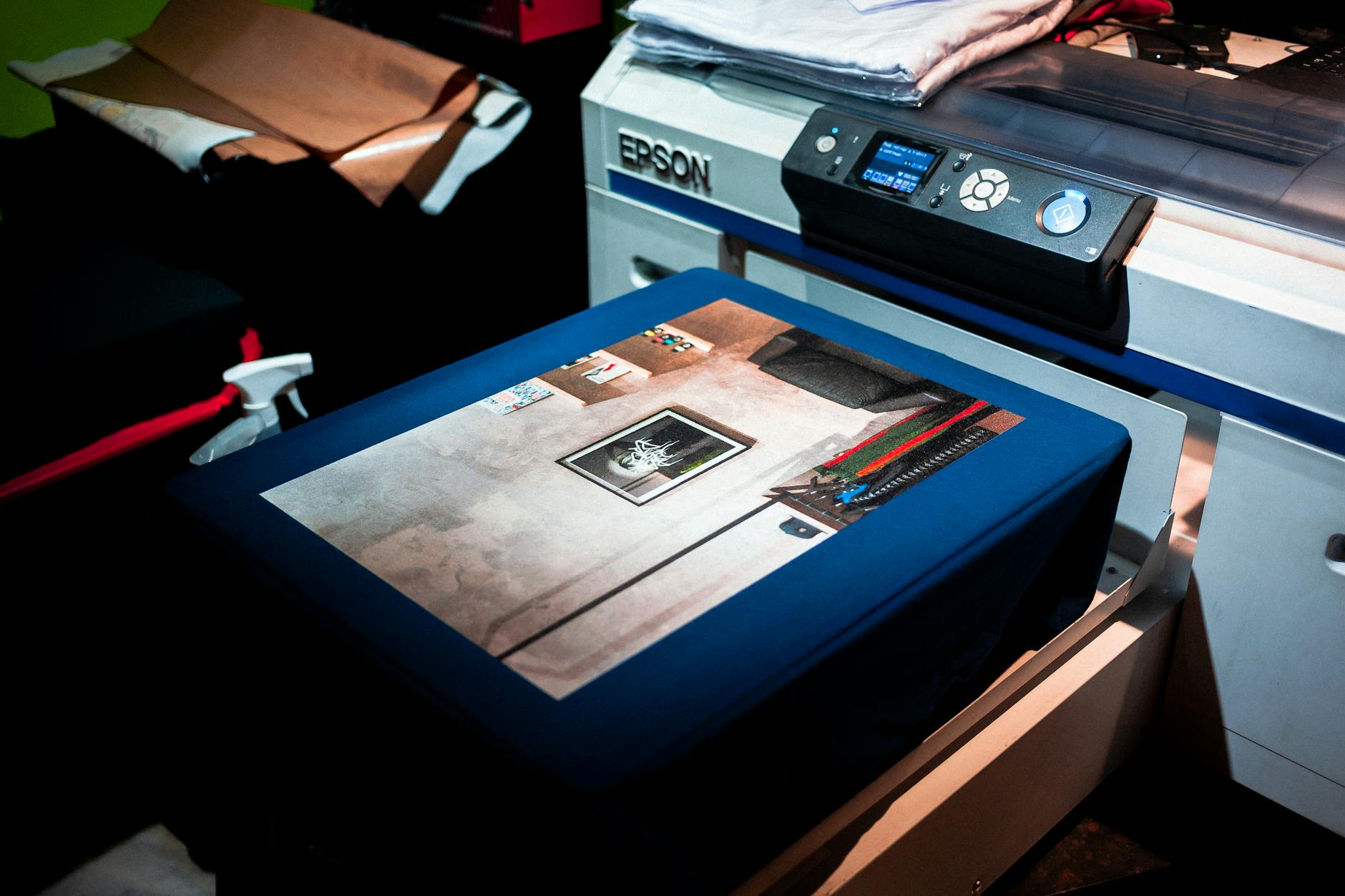
Screen printing is one of the most enduring and versatile decoration methods in the promotional products industry — and for good reason. Whether you’re kitting out a corporate team in Sydney, running a trade show in Melbourne, or ordering branded merchandise for a major conference on the Gold Coast, screen printing delivers bold, vibrant results at a price point that genuinely scales with volume. But getting that quality right? That’s where many buyers come unstuck. From artwork issues and colour mismatches to fabric selection and ink types, there’s a lot that can go wrong if you don’t understand what you’re ordering. This quality guide to screen printing for promotional products will walk you through everything you need to know — so your branded items arrive looking exactly as you imagined them.
What Is Screen Printing and Why Does It Matter for Branded Merchandise?
Screen printing (also called silk screening) is a process where ink is pushed through a woven mesh stencil — known as a screen — directly onto a substrate. Each colour in your design requires its own screen, which is why the method is particularly cost-effective for high-volume runs of simple, bold designs.
The result is a print that sits on top of the surface with a richness and opacity that other methods often struggle to match. On a white or light-coloured t-shirt, for instance, a two-colour screen print can look genuinely stunning. It’s the decoration method behind countless event t-shirts, staff uniforms, promotional tote bags, and giveaway items across Australia.
Understanding the fundamentals helps you have better conversations with your promotional products supplier and set realistic expectations about what’s achievable within your budget.
Common Products Suited to Screen Printing
Screen printing works best on flat, fabric, or paper-based surfaces. The most commonly screen-printed promotional products include:
- T-shirts and polos — the classic choice for corporate events and community groups
- Hoodies and jumpers — popular in cooler climates like Melbourne, Canberra, and Hobart
- Tote bags and canvas bags — an increasingly popular eco-friendly promotional item for sustainable brands
- Caps and bucket hats — though these more commonly use embroidery due to curved surfaces
- Promotional mouse pads — flat surfaces are ideal, making them perfect for screen printing; see our guide to promotional mouse pads in Melbourne for more on this category
- Paper and card items — including printed stationery, notepads, and event handouts; worth exploring if you’re after bulk stationery options
If you’re considering other surfaces — like mugs, glassware, or cylindrical drinkware — sublimation on custom mugs is usually a better fit than screen printing.
Key Quality Factors in Screen Printing for Promotional Products
This is where the detail really matters. When businesses receive screen-printed merchandise that looks flat, off-colour, or inconsistent, it’s almost always traceable to one of the following factors.
Artwork Quality and File Preparation
The single most important factor in a quality screen print is the artwork. Screen printing requires vector files — typically in .ai, .eps, or .pdf format — because these files can be scaled without losing resolution. Raster images (like JPGs or PNGs) contain pixels, and when blown up to print size, they become blurry and unusable.
Your artwork should also be set up in spot colours — ideally using Pantone Matching System (PMS) references — rather than CMYK or RGB. Each PMS colour corresponds to a specific screen and ink mix, giving your printer precise guidance on how to reproduce your brand colours accurately.
Common artwork mistakes to avoid:
- Submitting low-resolution files or screenshots
- Using thin fonts or fine details that won’t translate well at print size
- Not converting fonts to outlines (causing font substitution issues)
- Forgetting to account for the colour of the garment or substrate
Always request a digital proof before production begins. A reputable supplier will send a visual mockup showing your design on the actual product — never approve a job without one.
Number of Colours and Complexity
Because each colour requires its own screen setup, your number of colours directly impacts cost and complexity. A single-colour print — say, a white logo on a navy tote bag — is fast, affordable, and forgiving. A six-colour photographic print on a black t-shirt is an entirely different proposition.
For most promotional products, one to three colours is the sweet spot. It’s cost-effective, produces consistently strong results, and works beautifully across large quantities. If your branding relies on gradients, photographic imagery, or complex colour blends, you may need to consider alternative decoration methods or simplify your artwork for the promotional context.
Ink Types and Their Impact on Quality
Different inks behave differently depending on the substrate and the intended use of the product. Here’s a quick overview of the main types:
- Plastisol ink — the industry standard for garment printing. It’s opaque, durable, and sits on top of the fabric. Excellent for bold designs on cotton or cotton-blend fabrics.
- Water-based ink — absorbed into the fabric rather than sitting on top, creating a softer hand feel. Popular for fashion-forward or premium apparel but less vibrant on dark garments.
- Discharge ink — removes the dye from the fabric and replaces it with pigment, creating a very soft, breathable print. Best on 100% cotton in dark colours.
- Specialty inks — includes metallic, foil, puff (raised texture), glow-in-the-dark, and UV-reactive inks. Great for making products stand out at events and conferences.
When discussing your order with a supplier, ask specifically about ink type and its suitability for your product and use case. This is especially important for items that will be washed frequently, used outdoors, or exposed to UV light.
Mesh Count and Print Registration
The mesh count of the screen — how many threads per inch — affects the fineness and detail of the print. Higher mesh counts allow finer detail but deposit less ink, which affects opacity. Lower mesh counts deposit more ink but are less suited to intricate designs.
Print registration refers to how accurately multiple screens are aligned to one another when printing a multi-colour design. Poor registration results in colours that don’t line up properly — a telltale sign of lower-quality production. Quality suppliers invest in precision equipment and processes to keep registration tight, even across large runs.
Understanding MOQs, Setup Fees, and Turnaround Times
For businesses new to ordering screen-printed promotional products, it helps to understand the commercial realities of the process.
Minimum Order Quantities (MOQs)
Screen printing involves upfront costs to create the screens — typically one screen per colour. These setup costs mean screen printing becomes more economical as your order quantity grows. Most Australian suppliers have a minimum order quantity of around 25–50 units for garments, though this can vary. For event merchandise where you’re ordering marketing items with your logo in large volumes, screen printing is almost always the most cost-effective choice.
If you only need a small run — say, 10 branded t-shirts for a small team — screen printing may not be the most economical option, and alternatives like heat transfer or direct-to-garment (DTG) printing may be worth considering.
Setup Fees
Most suppliers charge a setup fee per screen/colour, typically ranging from $25 to $60 per screen. These fees are sometimes waived or reduced on large orders. Always ask about setup fees upfront so you can build them into your budget accurately. For reference, a two-colour print would usually incur two separate screen setup fees.
Turnaround Times
Standard turnaround for screen-printed merchandise in Australia is typically 10–15 business days from artwork approval. This allows time for screen creation, test prints, production, quality checking, and freight. Rush jobs are sometimes available — particularly in major cities — but expect a premium. If you’re in a genuine time crunch, it’s worth reading our guide to same-day promotional product printing in Canberra to understand what’s realistically achievable under tight timelines.
For large-scale events like conferences or expos, always build in buffer time. Order early — ideally six to eight weeks ahead — so you’re not paying rush fees or compromising on quality.
Choosing the Right Products for Screen Printing
Not all promotional products are created equal when it comes to screen printing quality. The substrate you choose significantly affects the final result.
For apparel, 100% cotton is the most screen-printing-friendly fabric. It holds ink well, produces vibrant results, and is easy to source. Cotton-poly blends are also widely used. Avoid highly stretchy or technical performance fabrics unless your supplier has specific expertise in printing on them.
For bags, woven polypropylene (the classic reusable bag) and canvas are both excellent for screen printing. If you’re sourcing branded tote bags for a Sydney conference or corporate event, canvas totes with a clean one or two-colour screen print often look the most polished.
For flat items like mouse pads, coasters, and similar products, screen printing typically delivers sharp, durable results. However, for items like promotional pens in bulk, pad printing is the more appropriate method — screen printing isn’t suitable for cylindrical or curved surfaces.
It’s also worth aligning your product choices with the season and occasion. For summer promotional gifts, screen-printed beach towels, caps, or lightweight tote bags are consistently popular choices. For end-of-year gifting, consider Christmas gift options that pair screen-printed apparel with branded accessories.
Quality Checking Your Screen-Printed Order
When your order arrives, take the time to properly quality check it before distributing to your team or handing out at an event. Here’s what to look for:
- Colour accuracy — compare against your approved proof and, if possible, your PMS references
- Registration — check that multi-colour designs are properly aligned
- Print placement — ensure the print is centred, straight, and in the agreed location
- Coverage and opacity — check that the ink is fully opaque with no patchiness, especially on dark garments
- Ink adhesion — gently stretch the printed area; quality prints should not crack or flake
- Consistency across units — spot-check multiple items from different parts of the carton to ensure consistency
If anything falls short of what was agreed, contact your supplier promptly with photos. A quality supplier will work with you to resolve the issue.
Conclusion: Key Takeaways for Screen Printing Quality
Screen printing remains one of the best decoration methods available for promotional products in 2026 — but getting quality results consistently requires knowledge, preparation, and a great supplier partnership. Whether you’re ordering branded tees for a Melbourne corporate event or sourcing eco-friendly promotional products for a sustainability-focused campaign, the principles in this quality guide to screen printing for promotional products apply across the board.
Here are the key takeaways:
- Always supply vector artwork in
.ai,.eps, or.pdfformat with PMS colour references to ensure accurate colour reproduction - Keep designs simple — one to three colours produce the most reliable, cost-effective results in screen printing
- Ask about ink types and ensure the chosen ink is appropriate for the fabric, substrate, and intended use of the product
- Build in adequate lead time — standard turnaround is 10–15 business days, so plan ahead, especially for large events
- Request a proof before production and quality-check your order thoroughly on arrival to catch any issues early
- Work with a knowledgeable supplier who can guide you through artwork requirements, product selection, and decoration suitability from the start